The Role of Soil Composition in Foundation Stability
Learn how Middle Tennessee clay, sand, and silt affect your foundation and what to do when unstable soil threatens your home.
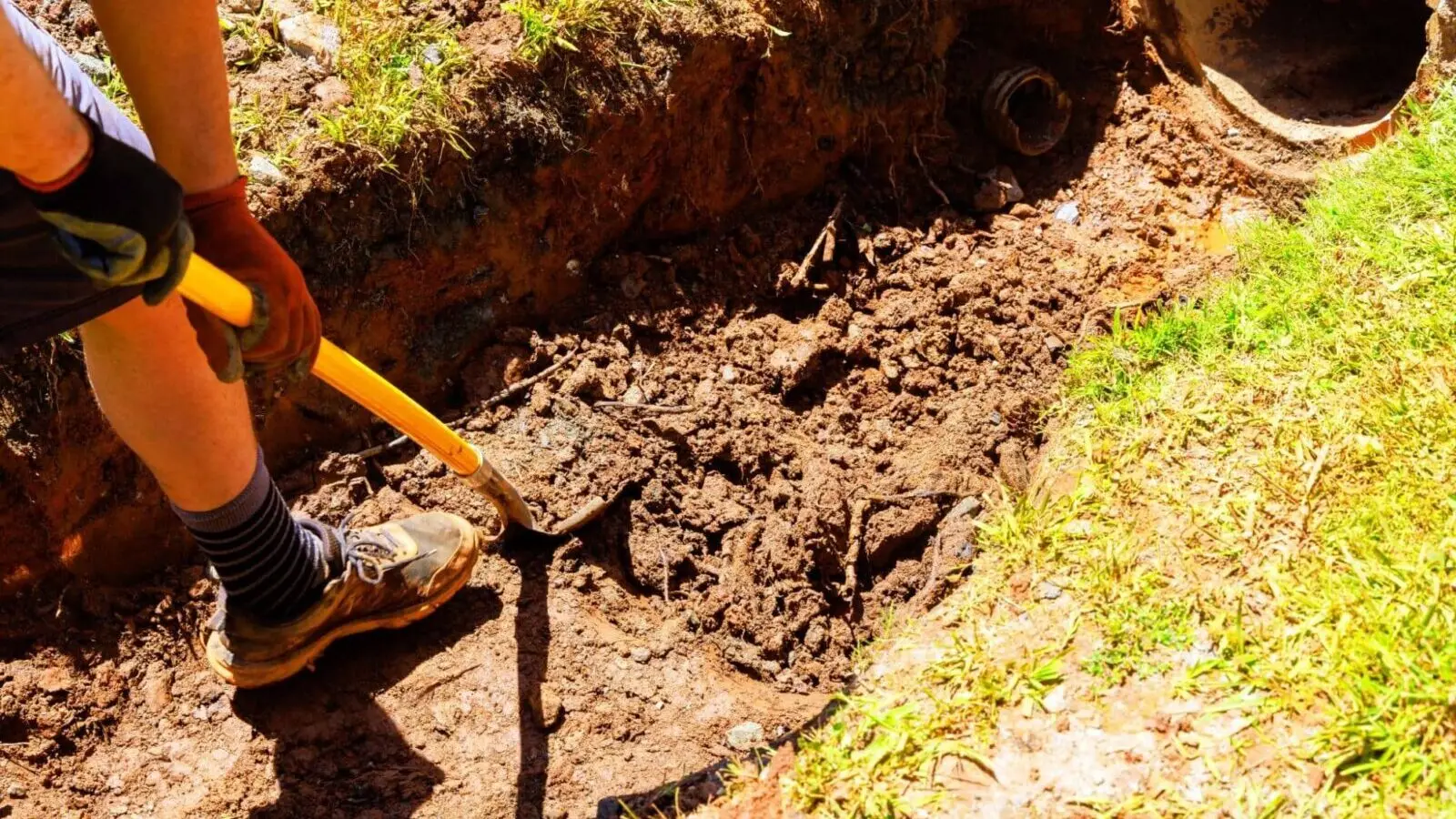
When it comes to maintaining a home’s structural integrity, few factors are as important as its foundation. For homeowners in Middle Tennessee, understanding the role of soil composition is crucial to ensuring long-term foundation stability.
Key Soil Types in Middle Tennessee
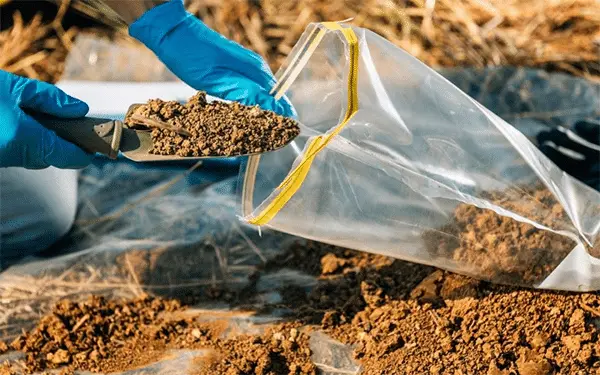
Middle Tennessee sits on a mix of soil types, each behaving differently under a home’s weight and through seasonal moisture changes:
- Clay soil expands when wet and contracts when dry. This repeating cycle is the primary driver of foundation movement in Rutherford, Williamson, and Davidson counties.
- Sandy soil drains well but can lack the density to support heavy structures without proper compaction.
- Silty soil retains water longer than sand, increasing pressure on basement walls and foundation footings.
- Loam, a balanced mix of clay, sand, and silt, is the most stable soil type for foundations and drains well in all seasons.
How Soil Affects Your Foundation
Expansion and Contraction
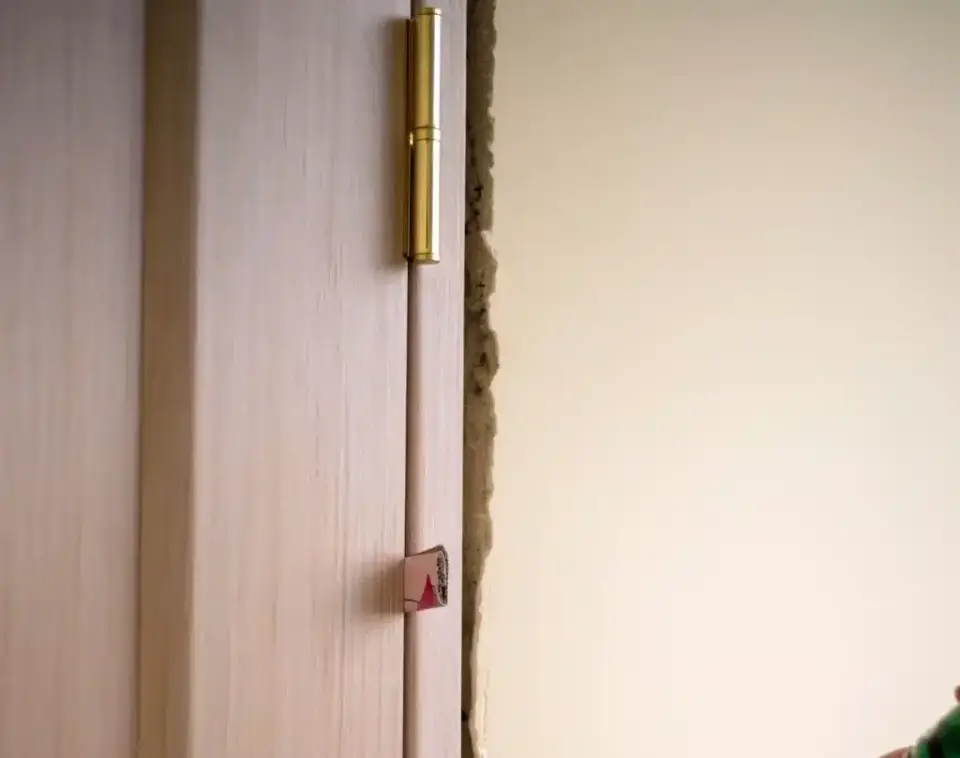
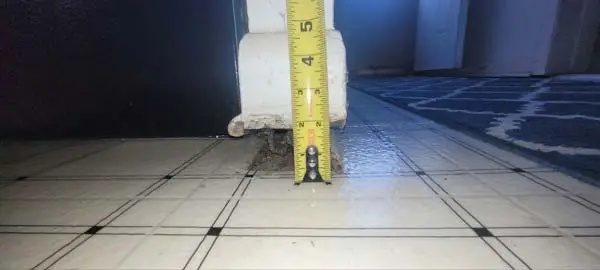
Middle Tennessee clay shrinks 8–12% during dry summers and swells every spring. Over years, this cycle shifts foundations, creates voids beneath slabs, and causes the cracks and sticking doors that homeowners mistake for “normal settling.”
Drainage and Hydrology
Poorly drained soils, silt and clay, hold water against foundation walls. That sustained moisture pressure is the root cause of most bowing walls and basement water intrusion in the region.
Soil Erosion
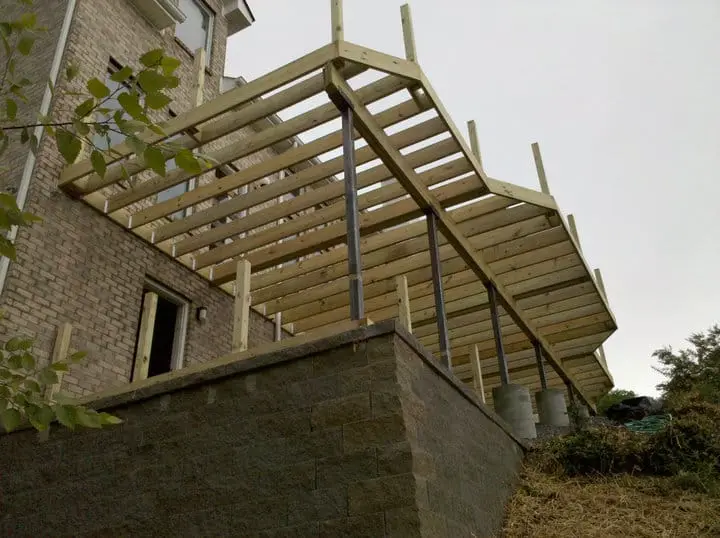
Heavy spring rains wash supporting soil away from foundation footings, creating voids that allow slabs and piers to sink unevenly. Proper grading and drainage systems are the frontline defense.
Load-Bearing Capacity
Sandy soils, while well-drained, may lack the density to support heavier masonry homes. Without compaction testing before construction, these soils can lead to foundation instability over decades.
Common Soil-Related Foundation Problems
- Foundation settlement: soil compresses or erodes beneath the footing, causing uneven sinking.
- Foundation cracks: expansive clay exerts lateral pressure on walls, resulting in stair-step cracks in brick and diagonal cracks in drywall.
- Moisture intrusion: saturated soil drives water through the foundation wall, promoting mold and structural damage.
- Soil erosion: heavy rains undercut the foundation’s footing, accelerating settlement.
Repair Solutions Matched to Soil Conditions
- Helical piers: rotate through unstable surface soils to reach load-bearing strata. Ideal for clay and variable-depth limestone (common in Williamson County).
- Push piers: hydraulically driven using the home’s own weight as resistance. Best for heavier masonry structures on sandy or loamy soils.
- French drains and drainage boards: redirect groundwater before it builds pressure against walls.
- Crack injection: epoxy or polyurethane restores structural integrity and seals active water intrusion paths.
Best Practices for Foundation Maintenance
- Keep gutters and downspouts directing water at least 6 feet from the foundation.
- Maintain consistent soil moisture during dry summers. Soaker hoses around the perimeter reduce shrink-swell cycling.
- Regrade low spots where water pools within 10 feet of the home.
- Schedule a professional foundation inspection every 1–2 years if your home sits on heavy clay soil.
If you’ve noticed cracks, sticking doors, or sloping floors, the underlying cause is almost always soil-related. Contact Ground Up Foundation Repair for a free inspection. We’ll identify the specific soil condition driving the problem and recommend the right solution.