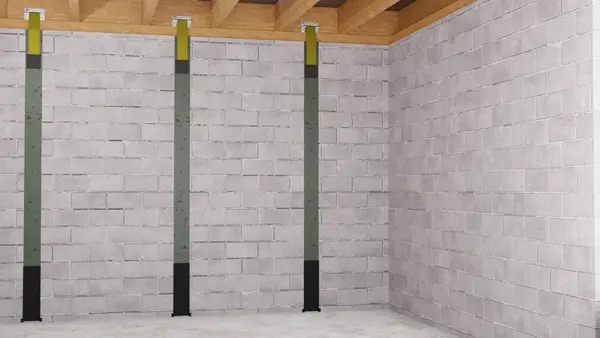
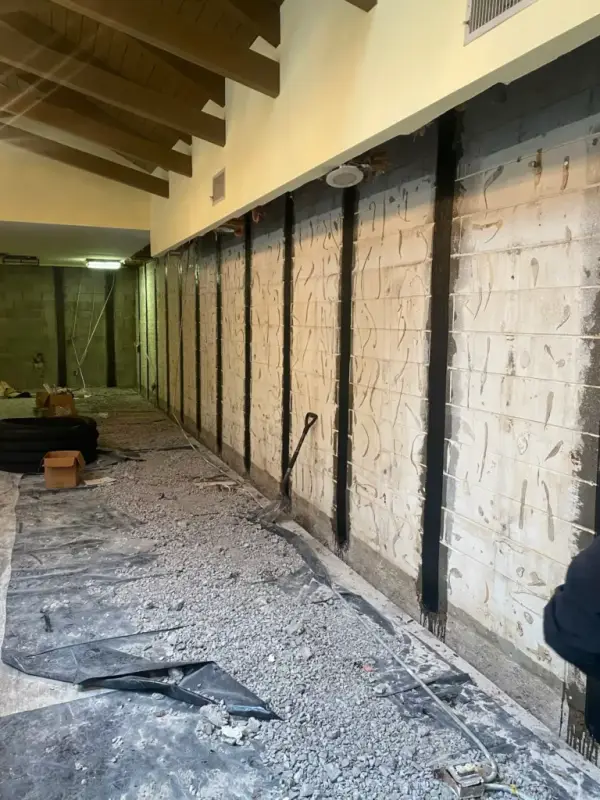
Carbon fiber straps are high-tensile-strength composite straps bonded vertically to the face of a bowing basement wall to prevent further inward deflection. The straps are made from the same carbon fiber used in aerospace and structural engineering applications, rated at tensile strengths far exceeding steel by weight. When epoxy-bonded to a properly prepared wall surface from floor plate to sill plate, carbon fiber straps transfer the lateral soil pressure load into the top and bottom bearing points of the wall system rather than allowing the wall face to deflect. Carbon fiber reinforcement is best suited for walls that have deflected less than 2 inches and have not experienced significant cracking through the wall section. It is a hold-in-place system, not a restoration system, it prevents further movement but does not push the wall back toward its original position.
Deep foundation systems transfer structural loads from the ground surface to soil or rock at a depth where bearing capacity is reliable and unaffected by surface conditions. In Middle Tennessee, the primary driver for deep foundation work is the region's expansive clay geology: the top several feet of soil shrink in dry weather and swell in wet weather, making them unreliable bearing material for foundations that must remain stable year-round. Deep foundation elements including helical piers, push piers, and micropiles penetrate through this active zone and reach bedrock, dense gravels, or competent clay at depth where moisture variation has minimal effect. These systems are used for both new construction on difficult sites and for repair of existing foundations that have settled due to inadequate bearing in the near-surface soils. Ground Up designs and installs deep foundation systems for residential and light commercial applications throughout the Middle Tennessee region.
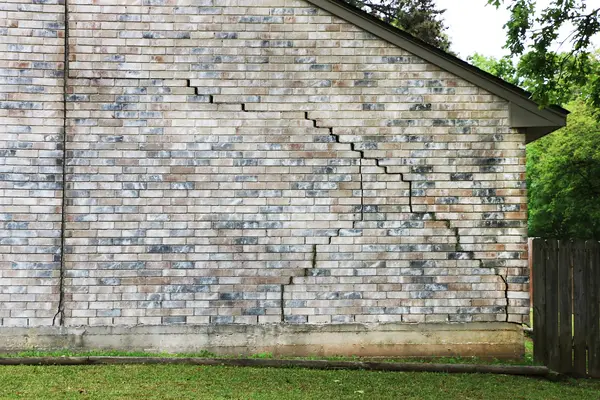
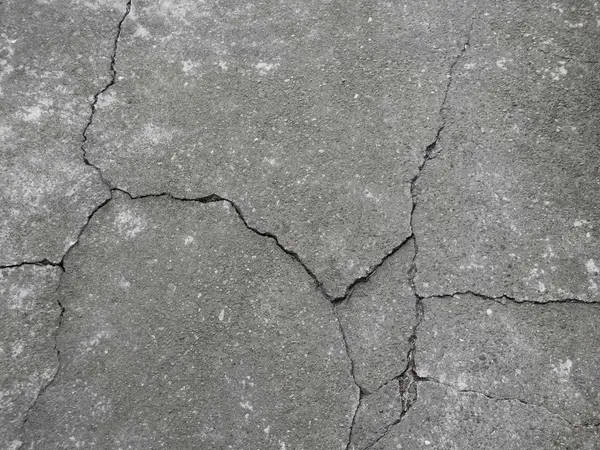
Epoxy crack injection is a structural repair method for concrete foundation walls, slabs, and beams that have developed cracks due to settlement, curing shrinkage, hydrostatic pressure, the outward force of water pushing against a foundation wall from saturated soil, or thermal movement. Low-viscosity epoxy resin is injected under low pressure through surface ports installed across the crack at regular intervals, filling the crack from its deepest point outward. As the epoxy cures, it bonds the two concrete faces together with tensile strength greater than the surrounding concrete. The result is a monolithic repair that restores the structural continuity of the cracked section. Epoxy injection is appropriate for dry or dormant cracks, cracks that are not actively wet and not in active movement. For cracks with active water seeping through them, polyurethane foam injection (which expands and seals in the presence of moisture) is often the appropriate first step, followed by epoxy once the wall has been dried out.
Concrete is a rigid material that nonetheless moves with temperature, moisture, and loading. In Middle Tennessee's climate, with summer temperatures regularly exceeding 95 degrees and occasional hard freezes in winter, the thermal expansion and contraction of concrete slabs, driveways, sidewalks, and foundation walls is significant. When concrete cannot move freely, it builds up internal stress that is released suddenly as a crack. Expansion joints and control joints are planned gaps in the concrete that give it a place to move without cracking in the field of the slab or through a structural element. Ground Up installs expansion joints during new concrete work and cuts or installs retrofit joints in existing concrete to prevent crack propagation and protect adjacent structural elements from impact loading caused by slab movement.
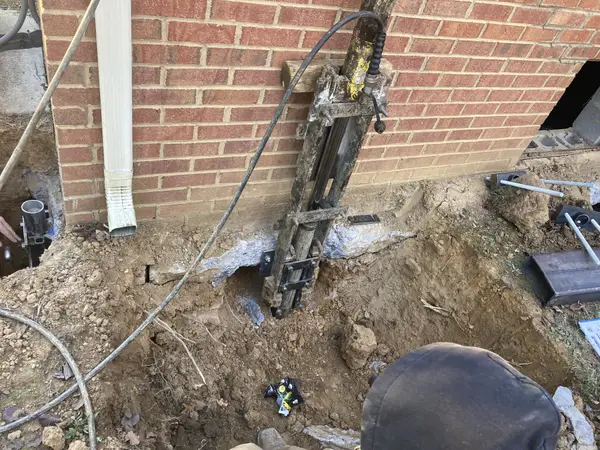
Foundation underpinning, also called foundation stabilization, is the process of extending the effective depth of a foundation's bearing capacity by installing structural support elements that bypass inadequate near-surface soils and transfer load to competent material at depth. In Middle Tennessee, where expansive clay soils lose and regain bearing capacity with every moisture cycle, underpinning is the most durable long-term foundation repair strategy available. Ground Up installs two primary types of underpinning: helical pier underpinning, which uses rotating steel shafts with helical plates to reach bearing at a torque-confirmed depth; and push pier underpinning, which drives steel pipe sections hydraulically using the building's weight as a reaction force, meaning the home's own weight gives the hydraulic ram something to push against, until the pier reaches refusal in competent soil or rock. Both systems transfer the structural load from the clay soils that are causing settlement to deep bearing material that is unaffected by surface moisture variation, stopping settlement and in most cases allowing partial to full elevation recovery.
Concrete piers are cast-in-place or pre-cast reinforced concrete elements that extend from the foundation footing down through unstable near-surface soils to a bearing stratum with adequate capacity. They are one of the most durable underpinning approaches available for residential and commercial foundations in Middle Tennessee, providing a permanent structural connection between the foundation and the stable soil or rock below the depth at which seasonal and moisture-driven soil movement occurs.
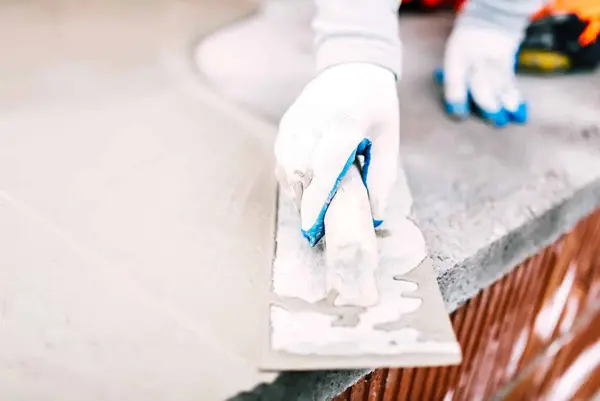
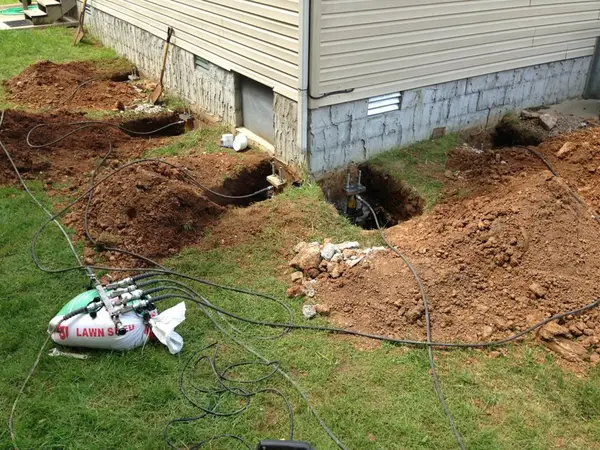
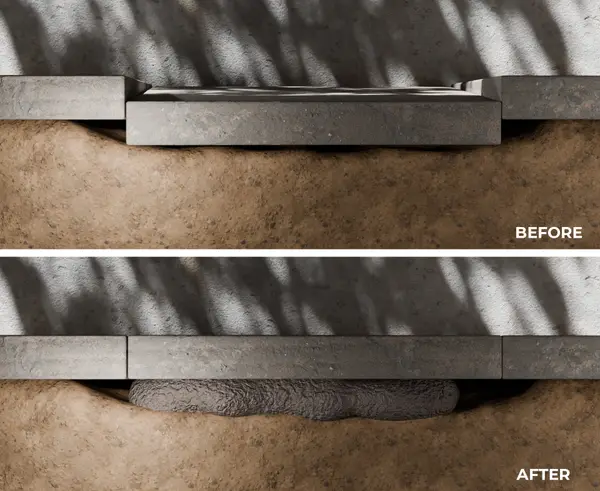
Voids beneath concrete slabs and foundations develop when soil erodes, compresses, or is washed away by water movement. An unsupported slab spanning a void will crack and sink as the concrete deflects under load. Grout injection, also called pressure grouting or slab grouting, fills these voids by pumping a cement-based grout through small-diameter ports drilled through the concrete. The injected grout flows into the void, fills it, and sets, restoring continuous soil support beneath the slab before structural damage can escalate.
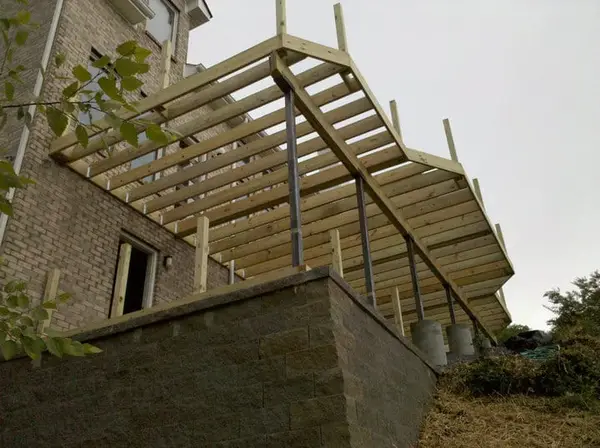
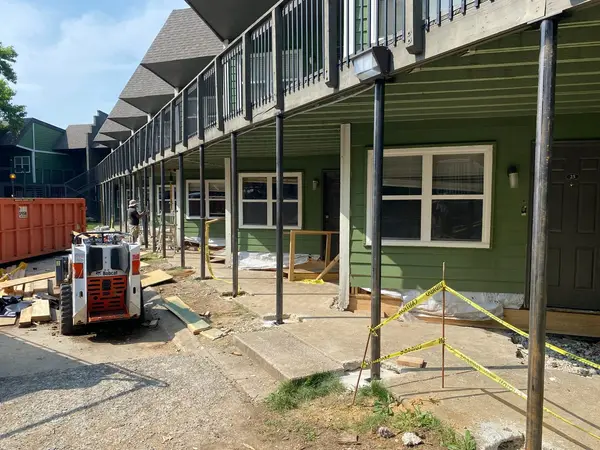
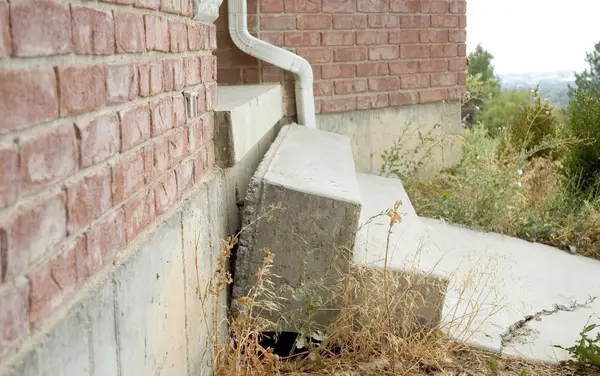
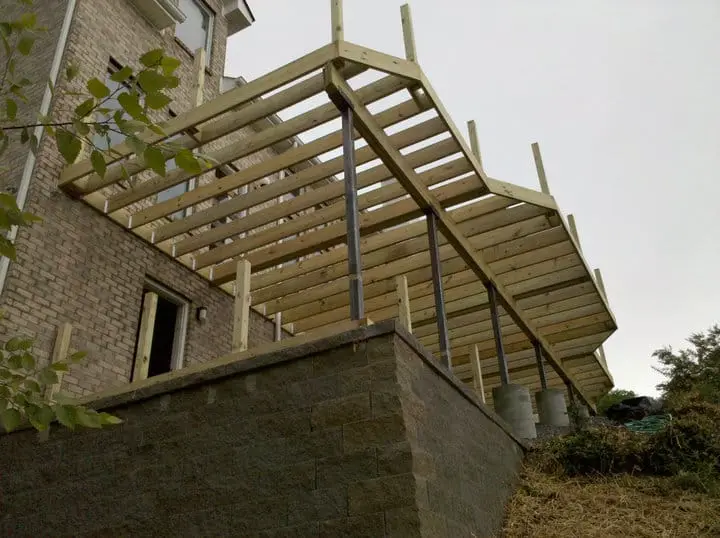
Decks and porches supported by posts on concrete footings or buried wood posts are subject to the same soil movement and settlement that affects foundations. When the bearing soil beneath a deck footing compresses, erodes, or shifts with seasonal moisture changes, the deck settles, unlevel surfaces, gaps at the ledger board, tilting railings, and doors that no longer align with the deck threshold. Helical deck piers are screwed into the ground to load-bearing depth below the active soil zone, then coupled to the deck framing to transfer the load to stable material. They stabilize the deck and, in many cases, allow some recovery toward level.
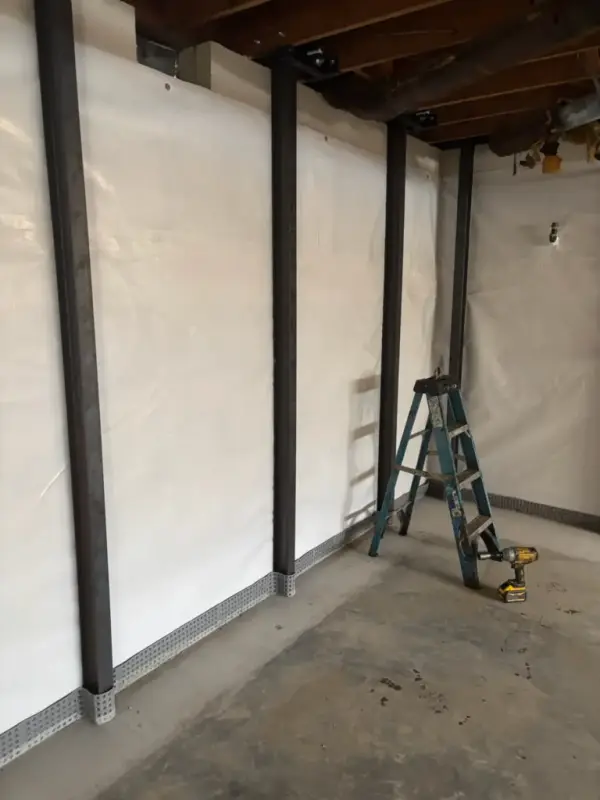
Foundation walls that bow inward are responding to lateral soil pressure exceeding the wall's original design capacity, often due to saturated soil, root pressure, frost, or loss of lateral support at the top or bottom of the wall. Left unaddressed, bowing progresses to cracking and, in severe cases, to collapse of the wall section. I-beam wall bracing systems install steel channels or I-beams vertically against the interior face of the wall, tied at the top to the floor structure and at the base to the footing. The beam assembly transfers the lateral soil load to the floor and footing, stabilizing the wall in its current position and preventing further inward movement.
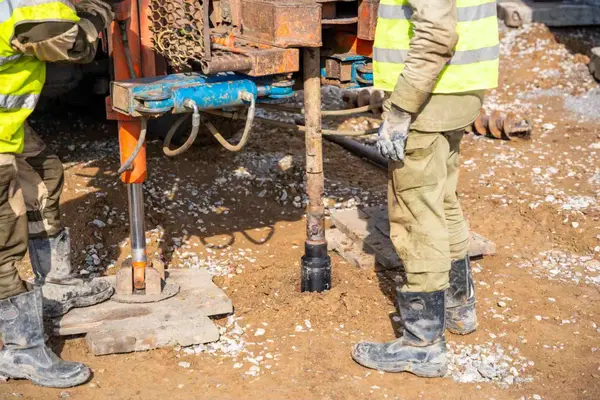
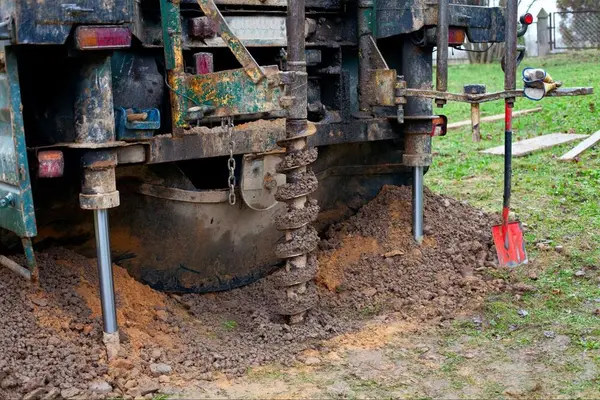
Helical piers are steel shafts with helical plates, like large screw threads, welded along the shaft at engineered intervals. The shaft is rotated into the ground using a hydraulic torque drive head, with the helical plates pulling the pier downward as they bite into undisturbed soil. Installation torque is continuously monitored and logged: when torque reaches the specified threshold, the plates have found soil with the bearing capacity required to support the foundation load assigned to that pier. A bracket is then installed between the pier shaft and the foundation footing, and hydraulic jacks are used to transfer the foundation load to the pier system and, in many cases, lift the structure back toward its original elevation. Helical piers are particularly well-suited to situations where load-bearing capacity must be confirmed at installation rather than estimated, and for sites where access is limited or soil conditions prevent advance prediction of depth.
When a basement or retaining wall has bowed beyond what I-beams or carbon fiber straps can adequately address, helical tieback anchors provide a stronger, deeper resistance point. The same helical plate technology used in our vertical foundation piers is adapted here for horizontal installation, the shaft is driven through the wall and into the surrounding soil at an angle, where the plates lock into native earth several feet away from the wall face. Helical tiebacks are particularly effective in the dense red clay soils of Rutherford and Williamson Counties, where the anchoring medium is cohesive and reliable.
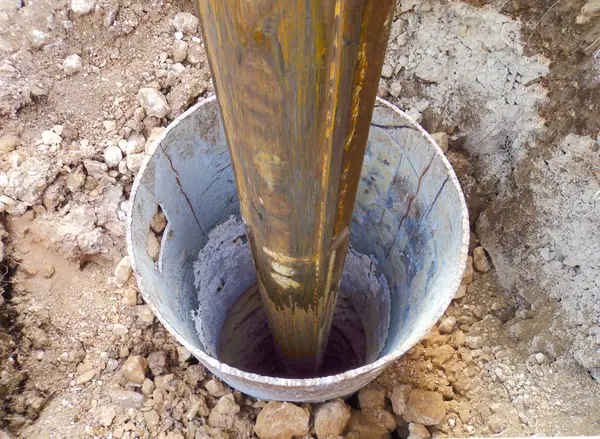
Micro piles, also called mini piles or needle piles, are small-diameter (typically 3 to 12 inches) drilled and grouted piles used when conventional pier installation equipment cannot access the site or when rock conditions demand a drilled solution rather than a driven or rotated one. In Middle Tennessee, they're particularly relevant in Williamson County's karst limestone terrain, where bedrock is shallow but irregular, a micro pile drilled and grouted into limestone provides an exceptionally stable foundation anchor. They're also used under existing low-headroom slab areas and in tight crawl spaces where helical pier drive heads cannot operate.
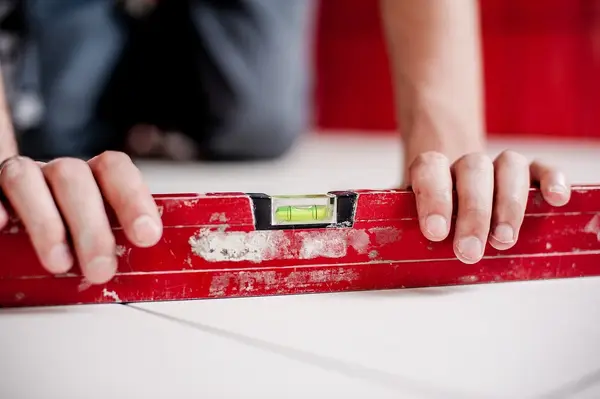
Many homes built before the 1970s across Murfreesboro, Nashville, Franklin, and the surrounding counties use pier-and-beam construction rather than a poured slab, a wood beam and joist system supported by masonry or concrete piers in a crawl space below the living area. Over decades, these systems develop problems: the original piers settle into clay soil, wood beams and sill plates absorb crawl space moisture and soften or rot, and shim stacks shift out of position. The result is floors that slope noticeably, feel spongy underfoot, or cause doors and windows to stick. Pier-and-beam repair targets the actual structural components, re-leveling the beam system, adding or replacing piers, and addressing the wood decay that makes the floor feel wrong.
Polyurethane foam injection, called polyjacking or slab jacking, lifts settled concrete by injecting high-density expanding foam through 5/8-inch holes drilled in the slab. The foam expands to fill voids beneath the concrete and generates enough upward pressure to lift the slab back to grade, then cures rigid within minutes. It's the fastest and least invasive method for lifting sunken driveways, garage floors, pool decks, sidewalks, and interior slabs across Middle Tennessee. Because the foam is lightweight and water-resistant, it doesn't add load to the soil and won't wash out or compress over time the way soil-based fill can.
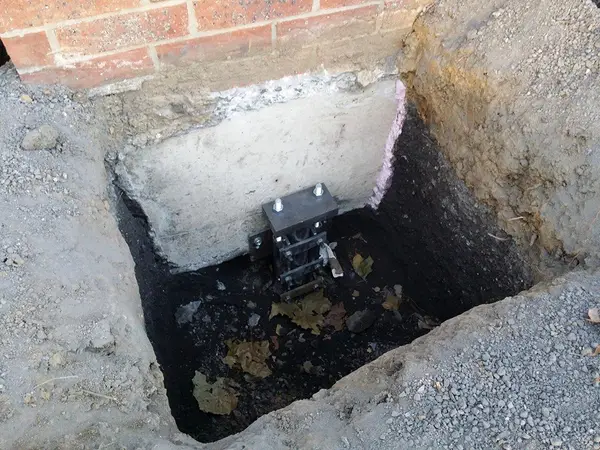
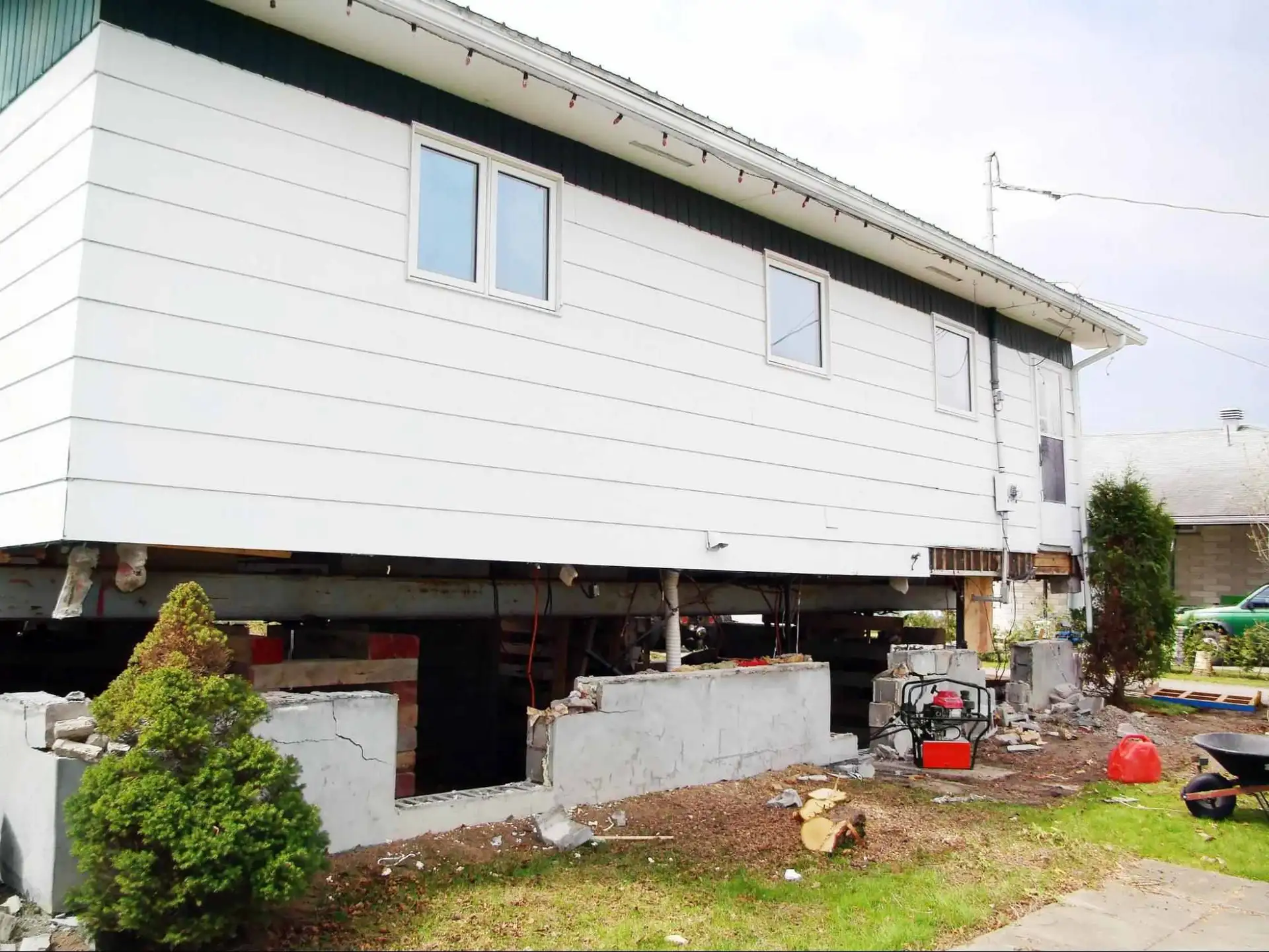
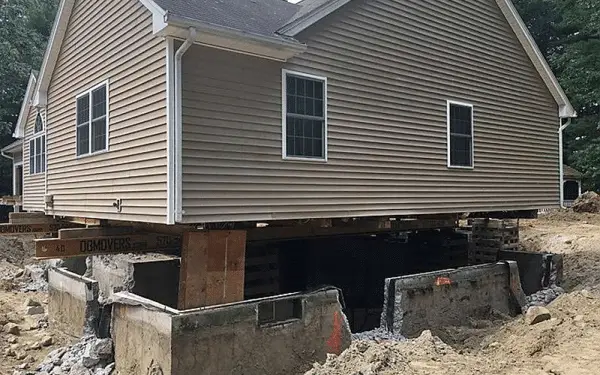
Push piers, also called resistance piers or hydraulic push piers, are steel pipe sections driven vertically into the ground beneath a settling foundation using the building's own weight as the hydraulic driving reaction force, meaning the home's weight pushes back against the pier to give the hydraulic ram something solid to drive against. A drive bracket is seated against the underside and face of the foundation footing; a hydraulic ram then pushes a 2.875-inch or 3.5-inch steel pipe section down through the bracket and into the soil. As each section is driven, the next is added above it, and driving continues until the pipe reaches refusal, the depth at which soil resistance equals the applied hydraulic force. At that point, the bracket is secured to the pier shaft, and the hydraulic system is reconfigured to lift mode, raising the foundation back toward its original elevation. Push pier systems are among the most widely used foundation stabilization methods for settled residential foundations because they confirm load capacity through the driving process, require minimal excavation, and are efficient to install at scale.
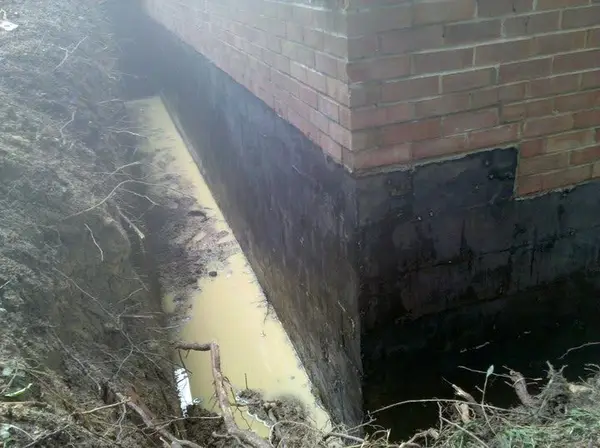
Retaining walls hold back soil at grade transitions. When the soil pressure behind a wall exceeds the wall's capacity to resist it, whether from water saturation, poor drainage, inadequate original design, or deterioration of the wall material over time, the wall begins to move outward. In masonry and block retaining walls, this movement manifests as horizontal or diagonal cracking, visible outward lean, and eventually partial or complete collapse if left unaddressed. Retaining wall anchors are a non-invasive repair system that installs steel rod anchors through the failing wall into the retained soil behind it. The anchors connect to bearing plates on the wall face and to deadman anchors buried deep in the stable soil mass behind the wall. Tightening the anchor rods pulls the wall back toward vertical and prevents further outward movement without the cost and disruption of full wall removal and replacement. Ground Up installs retaining wall anchor systems for both residential landscape walls and structural retaining walls across Middle Tennessee.
Slab settlement is widespread in Middle Tennessee because the region's clay soils shrink, swell, and shift with seasonal moisture changes, and because many home slabs were built over fill that wasn't adequately compacted. Rather than offering one lifting method for every situation, Ground Up Foundation Repair evaluates the slab size, void characteristics, load requirements, and soil conditions before recommending mud jacking, polyurethane foam injection, or pier-assisted lifting. The right method on the right project delivers a level slab that stays level.
Mud jacking, also called slabjacking or pressure grouting, has been used to lift sunken concrete slabs for decades, and it remains the right choice for many Middle Tennessee driveways, sidewalks, patios, and garage floors where voids beneath the slab are large enough that a heavier fill material is needed. The process pumps a slurry mixture of Portland cement, water, and soil through drilled holes beneath the slab, raising it hydraulically back to its original elevation. Tennessee's clay-heavy soils can dry and shrink in summer, creating voids under concrete that mud jacking fills completely.
Slab piers are a variation of the helical or push pier system designed to be installed through and beneath the concrete floor slab from inside the home. Instead of excavating pits around the exterior of the foundation, slab pier installation begins with coring or cutting small access holes through the floor slab, then driving the pier elements through those openings directly beneath the interior foundation grade beam or slab area experiencing the greatest settlement. This approach is particularly useful for interior slab areas that have settled in a bowl pattern, for homes where landscaping or site conditions prevent exterior excavation access, and for cases where the primary settlement is occurring beneath the interior slab rather than at the perimeter footing. After the piers reach confirmed bearing depth, synchronized jacks transfer the slab load to the piers and lift the interior slab section toward its original elevation, reducing floor slope and preventing further settlement.
Wall anchors, also called plate anchors or earth anchors, stabilize bowing or leaning basement walls by connecting the wall to a steel plate buried in undisturbed soil 10 or more feet away from the foundation. A wall plate is mounted on the interior face of the bowing wall, connected by a steel rod through the wall to a buried anchor plate installed at depth in the yard. Tension is applied to the rod, drawing the wall toward the anchor and providing lateral resistance to the soil pressure pushing the wall inward. Over time, tension can be increased incrementally, seasonally tightening the nut as the wall gradually returns toward plumb. Wall anchors require excavation of a small pit in the yard for anchor plate installation, making them appropriate when there is reasonable yard access away from the foundation.