Soil Stabilization, Fix the Ground Beneath Your Foundation, Not Just the Symptoms
[ 01 ] The Honest Answer
What you should know about soil stabilization
Why Soil Matters as Much as the Foundation
Every foundation is only as stable as the soil beneath it. In Middle Tennessee, that soil is rarely ideal. Rutherford County's red clay is highly expansive, it swells when wet and shrinks when dry, creating a foundation that is constantly being pushed and pulled by the ground beneath it. Areas near Percy Priest Lake and along Stones River corridors in Davidson County have alluvial soils with low bearing capacity. Williamson County's karst limestone terrain creates unpredictable voids beneath some properties.
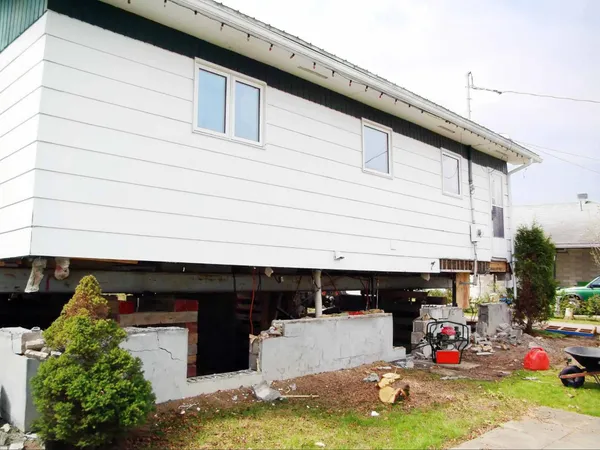
When soil fails to support a foundation adequately, the result is settlement, cracking, and structural movement. Pier systems address that by bypassing the failing soil. Soil stabilization addresses it by improving the soil itself.
Stabilization Methods We Use
- Chemical grouting: injecting a cementitious or polyurethane grout into the soil to fill voids, bind loose particles, and increase bearing capacity
- Compaction grouting: pumping a stiff grout mixture to densify loose or settled soil without excavation
- Polyurethane void filling: expanding foam injected into known voids beneath slabs or foundations to fill them before they cause further settlement
Soil stabilization is often used alongside pier installation, piers handle the load while stabilization improves the surrounding soil conditions. Call us at (615) 624-1027 to discuss what your site needs.
[ 02 ] How It Works
What to expect, start to finish
Site Assessment
We evaluate soil conditions, identify voids or weak zones, and determine the appropriate stabilization method.
Port Drilling
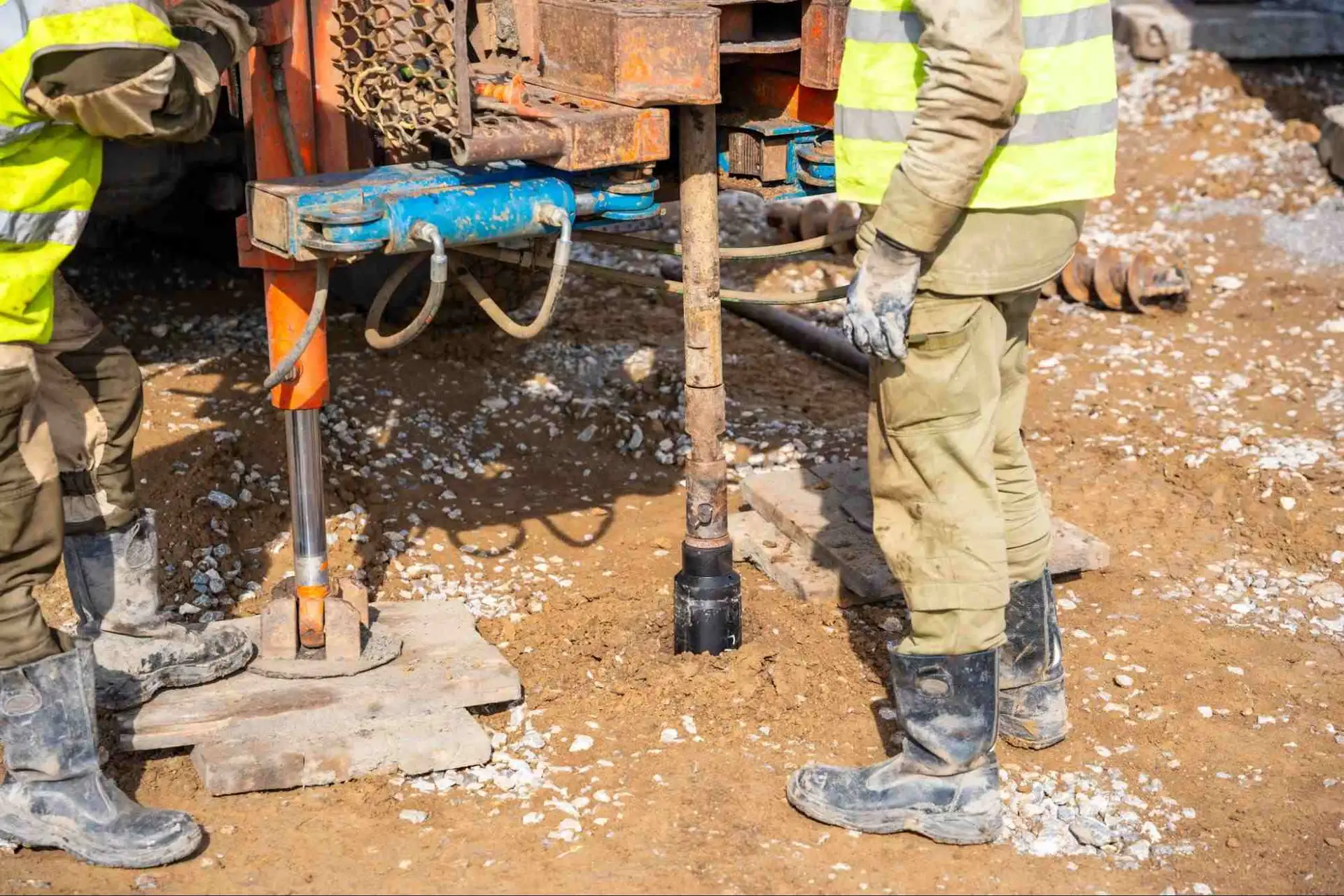
Small-diameter injection ports are drilled through slabs or into the soil at planned locations.
Material Injection
Grout or foam is injected at controlled pressure to fill voids and improve soil density.
Monitoring
We monitor surface elevation and injection pressure throughout to ensure the material is distributing correctly.
Port Patching and Cleanup
Injection ports are patched and the site is restored. Cured materials are ready for load-bearing almost immediately.
Soil stabilization is an underused tool. When we identify a void or a pocket of loose fill during inspection, filling it before it grows is almost always a smaller job than dealing with the settlement that follows.
[ 03 ] Why Ground Up
The difference is in the diagnosis
Get several quotes and you'll see a wide range of prices. The gap isn't luck. It's whether the contractor finds the actual cause and stands behind the work.
- In-house certified crews: we never subcontract your repair
- Optional independent third-party engineer review on larger jobs
- Honest three-tier triage: we tell you what can wait, in writing
- Family owned from the same Shelbyville Highway address since 2009
Soil Stabilization questions
Free guide
Get the free foundation settlement guide
- A room by room checklist of warning signs
- How Middle Tennessee red clay can move a house
- What happens at a free inspection
Your guide is on its way.
Check your inbox for an email from Ground Up Foundation Repair. If it is not there in a few minutes, check your spam or promotions folder.
Where we work
Headquartered in Murfreesboro,
serving Middle Tennessee
From red-clay Rutherford County soil to Nashville’s high water tables and Cookeville’s karst limestone, we know the ground beneath your home.
Also serving: La Vergne, Hendersonville, Gallatin, Lebanon, Clarksville, Tullahoma, Nolensville, Antioch + 100 more cities →
Found a problem? Get a straight answer
Free inspection, written estimate, honest triage. No pressure.