
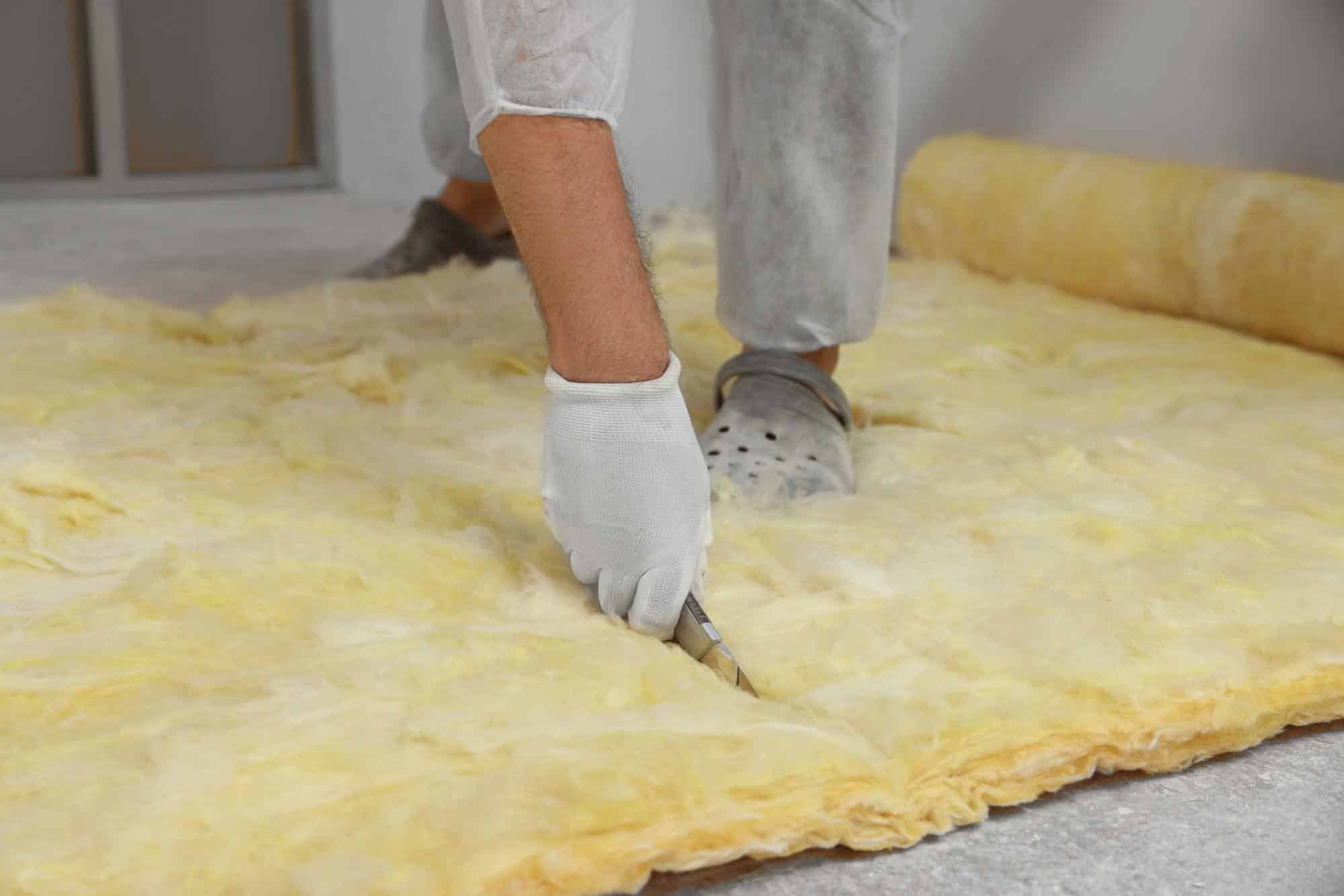
Fallen or Wet Crawl Space Insulation Is Costing You Money and Air Quality
[ 01 ] The Honest Answer
What you should know about crawl space insulation installation
Why Crawl Space Insulation Installation Matters
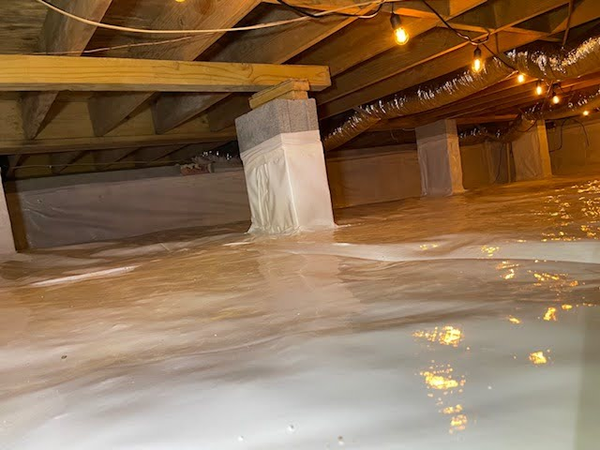
Fiberglass batt insulation installed between floor joists in a vented crawl space is one of the most commonly failing building components in Middle Tennessee homes. Exposed to seasonal humidity, the batts absorb moisture, lose their R-value, and eventually detach from the joist bays and fall to the crawl space floor. Once fallen, they sit in the damp crawl space environment and become a substrate for mold growth. The floor system above loses its thermal barrier, resulting in cold floors in winter, higher heating and cooling costs, and worsened indoor air quality as mold spores migrate upward into the living space.
Crawl space insulation installation addresses this problem directly, removing the old, damaged material and installing a new insulation system appropriate for the crawl space conditions. For homes transitioning from vented to encapsulated crawl spaces, this often means switching from fiberglass batts to rigid foam board or spray foam insulation applied to the foundation walls rather than the floor joists, which performs better in a sealed environment.
Insulation Options for Crawl Spaces
- Fiberglass batts (vented crawl spaces): Standard replacement option for homes with vented crawl spaces; installed between floor joists with proper support to prevent future falling
- Rigid foam board (encapsulated crawl spaces): Applied to foundation walls in sealed crawl spaces; does not absorb moisture and maintains R-value over time
- Spray foam (encapsulated crawl spaces): Applied to foundation walls and rim joists; provides both insulation and air sealing in a single application
Signs Your Crawl Space Insulation Needs Replacement
Insulation hanging below joist bays or piled on the crawl space floor, visible mold or discoloration on insulation surfaces, cold floors in rooms above the crawl space, unexplained increases in heating and cooling costs, and musty odors in first-floor rooms are all indicators that crawl space insulation has failed and needs to be replaced.
Ground Up Foundation Repair removes old insulation, disposes of it properly, and installs a new system matched to your crawl space conditions. Call us at (615) 880-6449 to schedule a free inspection.
[ 02 ] How It Works
What to expect, start to finish
Free Crawl Space Insulation Inspection
We assess the condition of existing insulation, identify areas of moisture damage or mold, and evaluate the crawl space environment to recommend the right replacement approach.
Insulation Removal and Disposal
Damaged and fallen insulation is removed from the crawl space and disposed of properly, leaving the joist bays and foundation walls clean and ready for the new installation.
New Insulation Installation
We install the specified insulation system, fiberglass batts, rigid foam board, or spray foam, using proper support methods and coverage to ensure the installation maintains long-term performance.
Final Inspection and Moisture Check
We verify full coverage, confirm proper installation details at joists, rim boards, and wall transitions, and check humidity levels to ensure the crawl space conditions will support the new insulation.
Fallen crawl space insulation is one of the most common things we find in Middle Tennessee homes, and it's one of the most overlooked. Homeowners are paying to heat and cool their homes without a thermal floor barrier, and often without realizing it. Replacing it pays for itself in energy savings.
[ 03 ] Why Ground Up
The difference is in the diagnosis
Get several quotes and you'll see a wide range of prices. The gap isn't luck. It's whether the contractor finds the actual cause and stands behind the work.
- In-house certified crews: we never subcontract your repair
- Optional independent third-party engineer review on larger jobs
- Honest three-tier triage: we tell you what can wait, in writing
- Family owned from the same Shelbyville Highway address since 2009
Crawl Space Insulation Installation questions
Where we work
Headquartered in Murfreesboro,
serving Middle Tennessee
From red-clay Rutherford County soil to Nashville’s high water tables and Cookeville’s karst limestone, we know the ground beneath your home.
Also serving: La Vergne, Hendersonville, Gallatin, Lebanon, Clarksville, Tullahoma, Nolensville, Antioch + 100 more cities →
Found a problem? Get a straight answer
Free inspection, written estimate, honest triage. No pressure.