
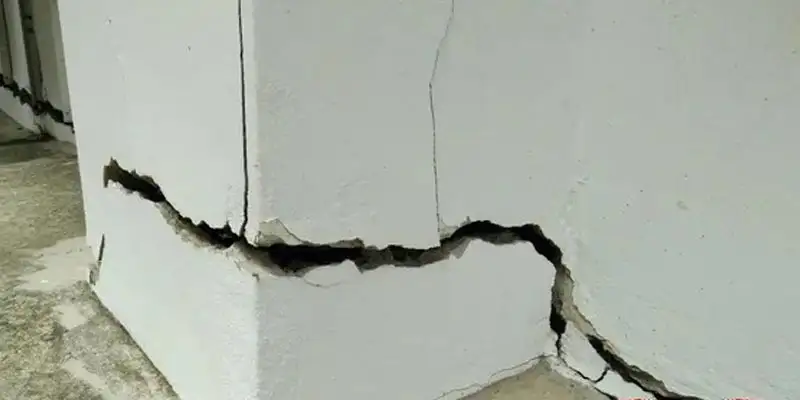
Foundation Crack Repair, Seal the Crack, Find the Cause, Fix It for Good
[ 01 ] The Honest Answer
What you should know about foundation crack repair
Not All Foundation Cracks Are the Same
Middle Tennessee homeowners often discover foundation cracks after a wet spring or when a home inspection report comes back with findings they did not expect. The honest answer is that how serious a crack is depends entirely on its type, location, width, direction, and whether it is growing.
Hairline cracks in a poured concrete wall that have been stable for years often need only sealing to keep water out. A crack that is widening across seasons, or a stair-step crack climbing a block wall in a pattern that follows the mortar joints, can be a sign of active settlement, and sealing it without addressing that movement is a temporary fix at best.
Epoxy Injection vs. Polyurethane Foam
- Epoxy injection is used for structural cracks in poured concrete walls. Once cured, epoxy bonds the two sides of the crack together at a strength that exceeds the surrounding concrete.
- Polyurethane foam injection is used to seal cracks against water intrusion. The foam expands on contact with moisture and remains flexible after curing.
We diagnose the cause before recommending a method. Call us at (615) 624-1027 for a free inspection.
Homeowners in Nashville can read about foundation repair in Nashville, including how Davidson County clay affects foundations.
[ 02 ] How It Works
What to expect, start to finish
Free Inspection
We document each crack's length, width, direction, and whether there are signs of active movement or water intrusion.
Cause Assessment
We determine whether the crack is cosmetic, a water intrusion point, or a symptom of active settlement requiring additional structural work first.
Surface Preparation
The crack surface is cleaned and ports are spaced and inserted along the crack at intervals matched to wall thickness.
Injection
Epoxy or polyurethane material is injected under low pressure at each port until the material travels the full depth of the crack.
Port Removal and Surface Finish
Ports are capped and removed after material sets. Surface is cleaned and can be painted or finished as needed.
The mistake people make is treating crack repair as a standalone fix when the crack is actually a symptom. We always look at why the crack formed before we decide how to repair it.
[ 03 ] Why Ground Up
The difference is in the diagnosis
Get several quotes and you'll see a wide range of prices. The gap isn't luck. It's whether the contractor finds the actual cause and stands behind the work.
- In-house certified crews: we never subcontract your repair
- Optional independent third-party engineer review on larger jobs
- Honest three-tier triage: we tell you what can wait, in writing
- Family owned from the same Shelbyville Highway address since 2009
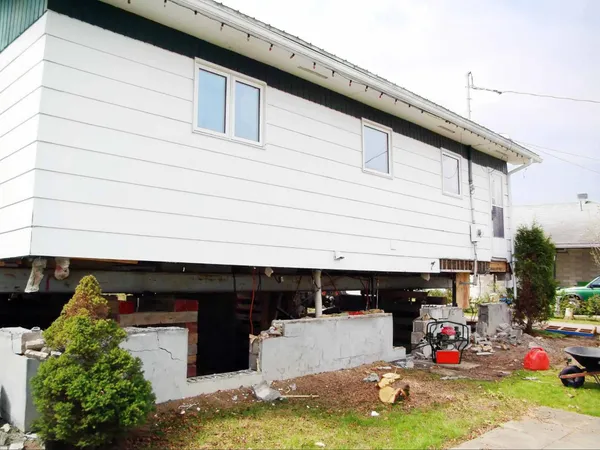
Foundation Crack Repair questions

Free guide
Get the free foundation settlement guide
- A room by room checklist of warning signs
- How Middle Tennessee red clay can move a house
- What happens at a free inspection
Your guide is on its way.
Check your inbox for an email from Ground Up Foundation Repair. If it is not there in a few minutes, check your spam or promotions folder.
Where we work
Headquartered in Murfreesboro,
serving Middle Tennessee
From red-clay Rutherford County soil to Nashville’s high water tables and Cookeville’s karst limestone, we know the ground beneath your home.
Also serving: La Vergne, Hendersonville, Gallatin, Lebanon, Clarksville, Tullahoma, Nolensville, Antioch + 100 more cities →
Found a problem? Get a straight answer
Free inspection, written estimate, honest triage. No pressure.