
Wall Anchor Installation, Stop Bowing Walls Before They Become a Bigger Problem
[ 01 ] The Honest Answer
What you should know about wall anchor installation
What Is Causing Your Basement Wall to Bow Inward?
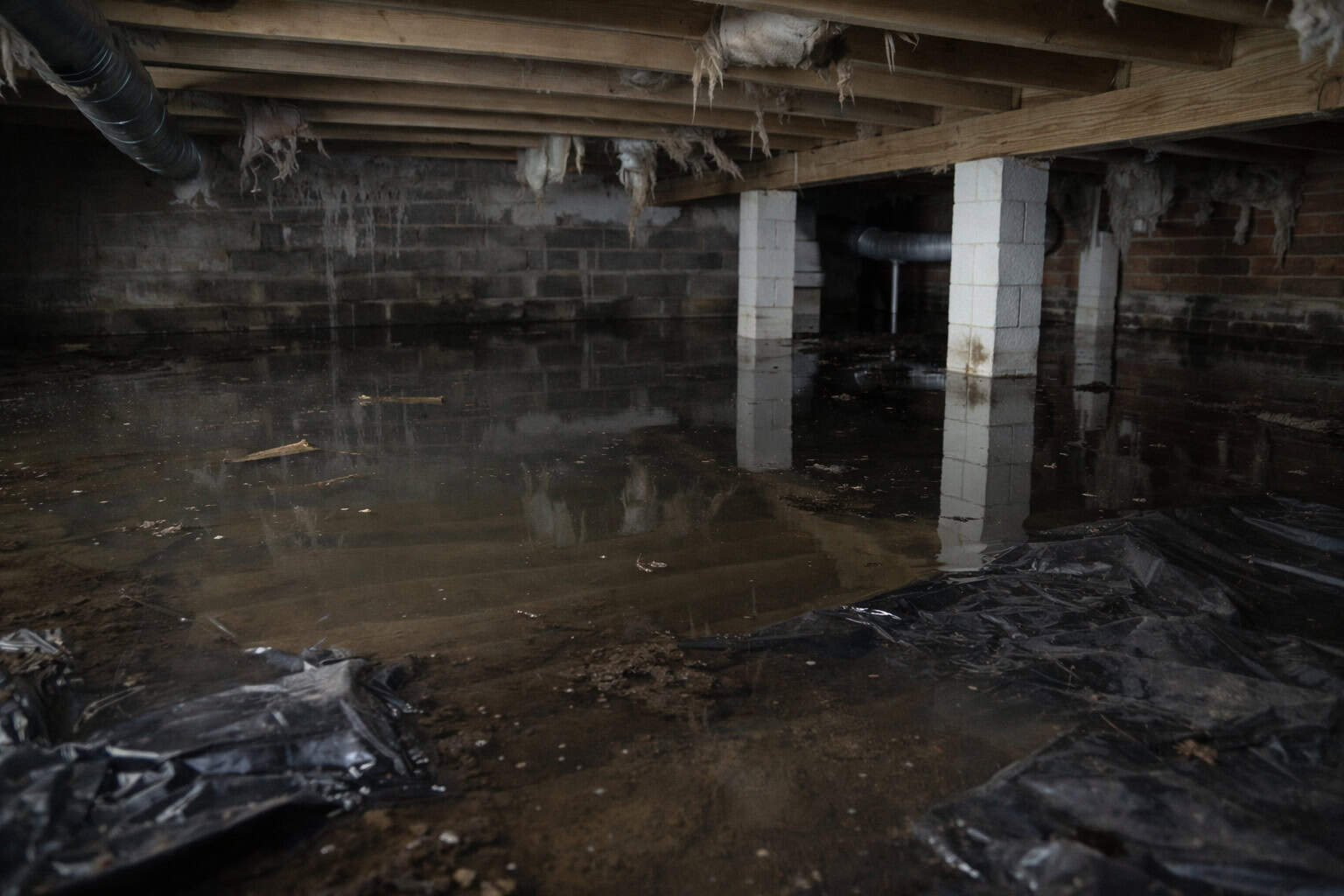
In Middle Tennessee, the most common culprit behind bowing basement and crawl space walls is lateral soil pressure, and Rutherford County red clay makes that problem worse than average. During wet springs, that clay absorbs water, expands, and pushes against your foundation wall. Over years, that repeating pressure cycle causes even well-built block or poured concrete walls to deflect inward.
A wall that bows 1 inch today will bow 2 inches before long if nothing is done. The structural threshold that drives replacement recommendations rather than repair is generally around 2 inches of deflection from plumb, which is why early stabilization matters.
How Wall Anchors Work
- We excavate a small pit in the yard several feet from the foundation to expose undisturbed native soil.
- A steel rod is driven horizontally through a small hole in the wall and anchored to a steel plate buried in the native soil of that pit.
- On the interior, a wall plate is attached to the rod on the face of the wall and tightened.
- The pit is backfilled and the yard is restored.
Once installed, the wall is locked against further inward movement. Over subsequent seasons as the soil dries and contracts, a certified crew member can return to tighten the rod, incrementally drawing the wall back toward its original position. Call us at (615) 880-6449 for your free inspection.
[ 02 ] How It Works
What to expect, start to finish
Free Inspection
We measure wall deflection from plumb at multiple points, assess the crack pattern, and determine whether anchors are the appropriate repair.
Anchor Layout Plan
We determine anchor spacing based on wall length, deflection profile, and soil conditions in your yard.
Interior Wall Plates
Steel wall plates are positioned on the interior face of the wall at each anchor location.
Rod Drive and Yard Anchor
A steel rod is driven horizontally through the wall and anchored to a buried steel plate in undisturbed native soil approximately 8 to 10 feet from the foundation.
Initial Tension and Backfill
Rods are tensioned to specification, yard pits are backfilled and compacted, and the site is restored.
Annual Tightening
As seasonal soil contraction allows, rods are incrementally tightened to gradually move the wall back toward its original position.
Wall anchors are one of those repairs that homeowners often delay too long. A 1-inch deflection is very fixable. Once a wall gets past 2 inches and the footing starts to rotate, the conversation changes significantly.
[ 03 ] Why Ground Up
The difference is in the diagnosis
Get several quotes and you'll see a wide range of prices. The gap isn't luck. It's whether the contractor finds the actual cause and stands behind the work.
- In-house certified crews: we never subcontract your repair
- Optional independent third-party engineer review on larger jobs
- Honest three-tier triage: we tell you what can wait, in writing
- Family owned from the same Shelbyville Highway address since 2009
Wall Anchor Installation questions
Where we work
Headquartered in Murfreesboro,
serving Middle Tennessee
From red-clay Rutherford County soil to Nashville’s high water tables and Cookeville’s karst limestone, we know the ground beneath your home.
Also serving: La Vergne, Hendersonville, Gallatin, Lebanon, Clarksville, Tullahoma, Nolensville, Antioch + 100 more cities →
Found a problem? Get a straight answer
Free inspection, written estimate, honest triage. No pressure.