
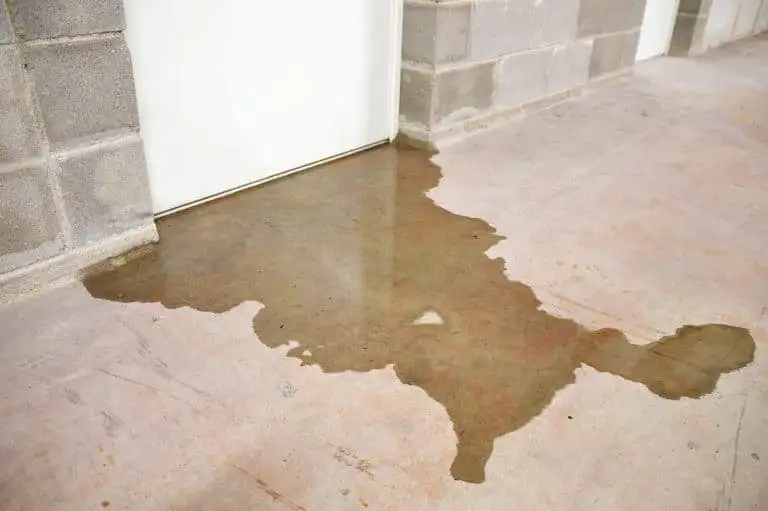
Stop Water at the Source With Permanent Basement Wall Crack Repair
[ 01 ] The Honest Answer
What you should know about basement wall crack repair
Why Basement Wall Cracks Leak
Poured concrete and concrete block basement walls are susceptible to cracking as homes settle, soil shifts seasonally, and hydrostatic pressure builds against the exterior face. Middle Tennessee's clay soils expand when wet and contract when dry, creating a repetitive stress cycle that opens hairline cracks into active water entry points over time.
Ground Up Foundation Repair repairs basement wall cracks using epoxy injection for structural restoration and polyurethane foam injection for active leaks with water present. We match the repair material to the crack type, wall material, and whether the crack is structural or non-structural.
Structural vs. Non-Structural Cracks
- Non-structural shrinkage cracks: Common in poured concrete walls, typically vertical, hairline to 1/8 inch wide; allow water in but do not indicate wall failure
- Structural cracks: Horizontal, diagonal, or stair-step cracks that indicate lateral soil pressure, wall movement, or footing settlement
- Active wet cracks: Cracks with visible water seeping through; best sealed with polyurethane foam that expands into the crack and cures flexible
Most crack repairs are completed in a single visit. Call (615) 624-1027 to schedule your free inspection and crack assessment.
[ 02 ] How It Works
What to expect, start to finish
Crack Inspection and Classification
We examine the crack's orientation, width, depth, and whether it is actively leaking to classify it as structural or non-structural and determine the correct repair material.
Surface Preparation and Port Installation
We clean the crack surface, remove loose material, and install injection ports at measured intervals along the crack length to ensure complete penetration of the repair material.
Injection Under Low Pressure
We inject epoxy or polyurethane resin through each port in sequence under controlled low pressure, filling the crack from its base to the wall face.
Port Removal and Surface Finish
After curing, we remove the injection ports, cap and smooth the surface, and confirm the repair is complete.
The most common mistake homeowners make is patching a crack from the inside with hydraulic cement. That stops the visible drip, but the crack is still open from the outside and water pressure will eventually break through the patch. Injection fills the crack through its full depth, that's what makes it permanent.
[ 03 ] Why Ground Up
The difference is in the diagnosis
Get several quotes and you'll see a wide range of prices. The gap isn't luck. It's whether the contractor finds the actual cause and stands behind the work.
- In-house certified crews: we never subcontract your repair
- Optional independent third-party engineer review on larger jobs
- Honest three-tier triage: we tell you what can wait, in writing
- Family owned from the same Shelbyville Highway address since 2009
Basement Wall Crack Repair questions

Free guide
Get the free dry basement guide
- Where basement water comes from in Middle Tennessee
- A checklist of signs to look for
- How a drain and sump pump system works
Your guide is on its way.
Check your inbox for an email from Ground Up Foundation Repair. If it is not there in a few minutes, check your spam or promotions folder.
Where we work
Headquartered in Murfreesboro,
serving Middle Tennessee
From red-clay Rutherford County soil to Nashville’s high water tables and Cookeville’s karst limestone, we know the ground beneath your home.
Also serving: La Vergne, Hendersonville, Gallatin, Lebanon, Clarksville, Tullahoma, Nolensville, Antioch + 100 more cities →
Found a problem? Get a straight answer
Free inspection, written estimate, honest triage. No pressure.