Homes with open crawl spaces have a direct air pathway from below-grade soil and framing to living areas above. The stack effect, warm air rising through the home, continuously draws air in from the crawl space. If that space contains mold colonies, high humidity that supports dust mites, or soil-borne particulates, these contaminants travel with the air and end up in rooms where your family lives and breathes.
Floors above a vented crawl space are naturally cooler than those above a heated basement. But floors that are noticeably cold in winter, cold enough that walking barefoot is uncomfortable at normal thermostat settings, usually indicate that the insulation beneath the floor has been compromised by moisture.
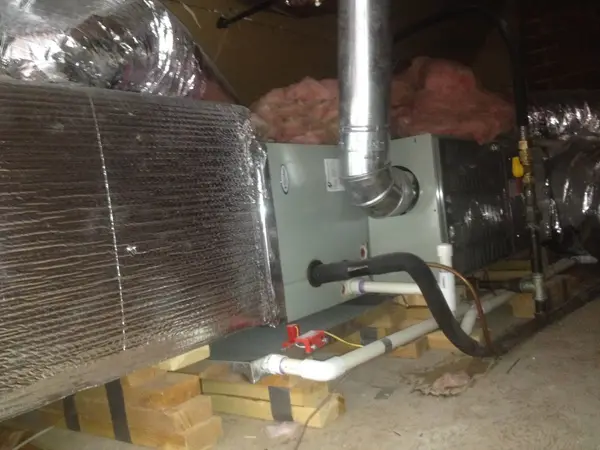
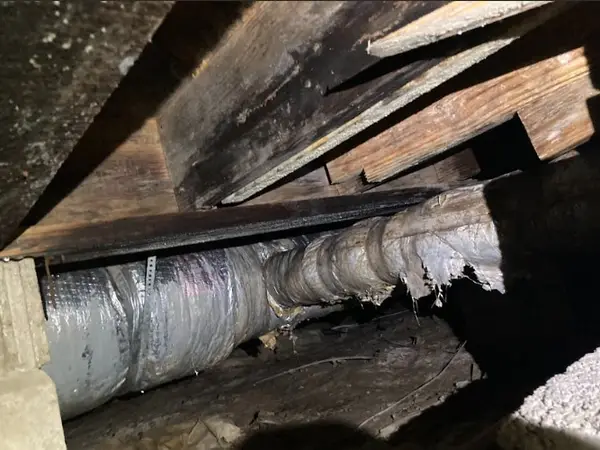
Condensation forming on HVAC supply ducts, return air plenums, flex duct runs, and refrigerant lines in the crawl space is a precise physical indicator that crawl space relative humidity is at or above the dew point of the air inside the crawl space. When moisture-laden crawl space air contacts the cool surface of an air-conditioned supply duct, it releases its water content as liquid condensation on the duct exterior. In Middle Tennessee's summer climate, crawl space dew points can reach 70°F or higher in unencapsulated spaces, which means any duct surface carrying air-conditioned air at 55 to 60°F will produce visible condensation. This water drips onto the crawl space floor, saturating the soil and insulation, and provides direct moisture contact to wooden structural members above. Beyond the immediate moisture damage, wet duct insulation loses R-value, reducing the efficiency of HVAC equipment. Sustained condensation on supply ducts is also associated with mold growth on the duct exterior insulation itself, which introduces contaminated air directly into the HVAC distribution system.
Condensation forms on cold surfaces when warm, humid air reaches them and cools below its dew point. In an unencapsulated Middle Tennessee crawl space, water pipes, drain lines, and HVAC ductwork are surrounded by humid air for most of the year. Visible condensation, water droplets or wet metal surfaces beneath the home, means humidity in the crawl space is sustained at damaging levels.
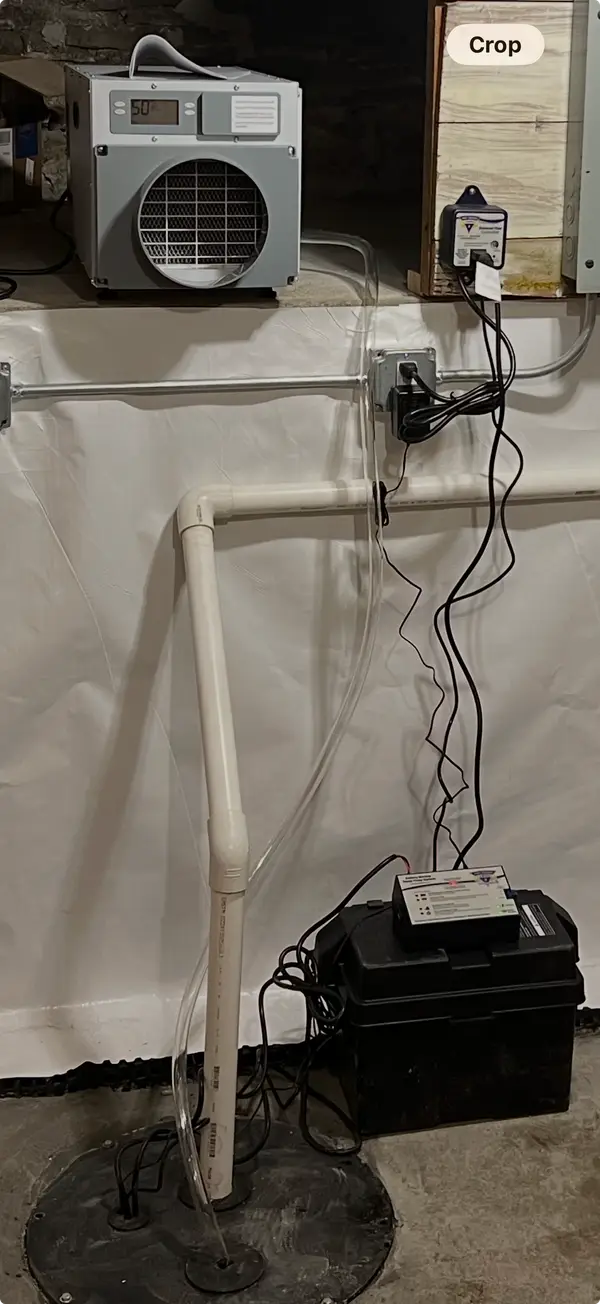
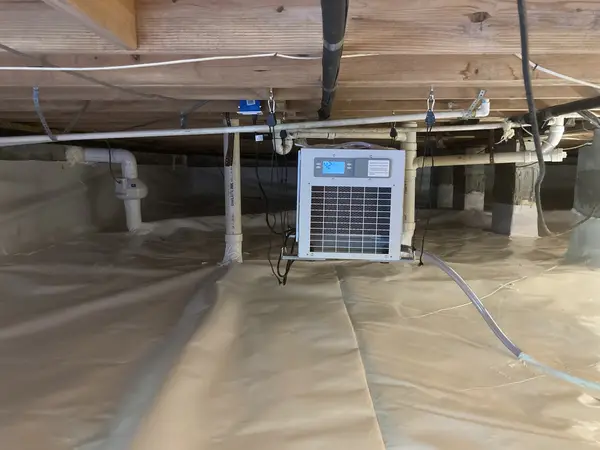
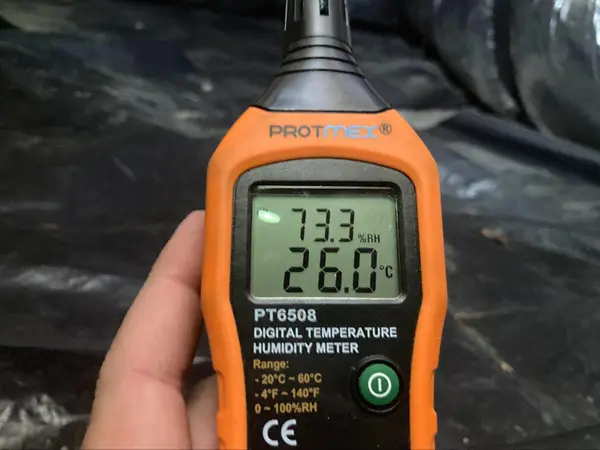
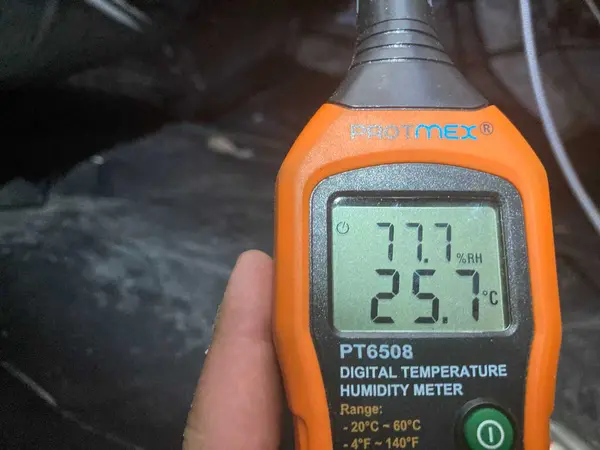
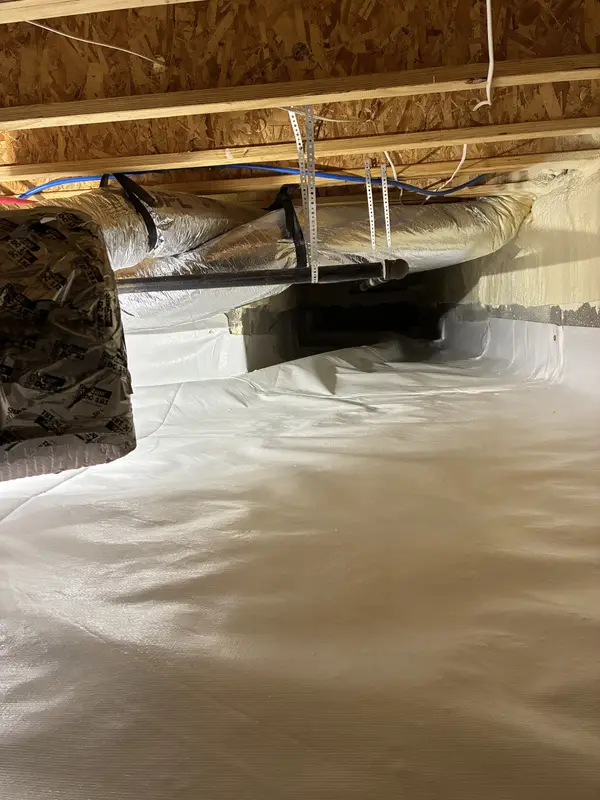
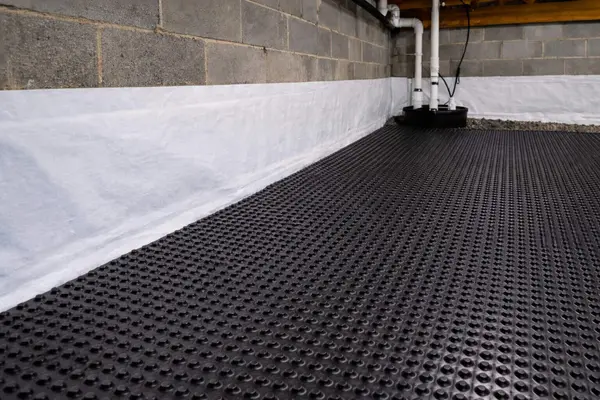
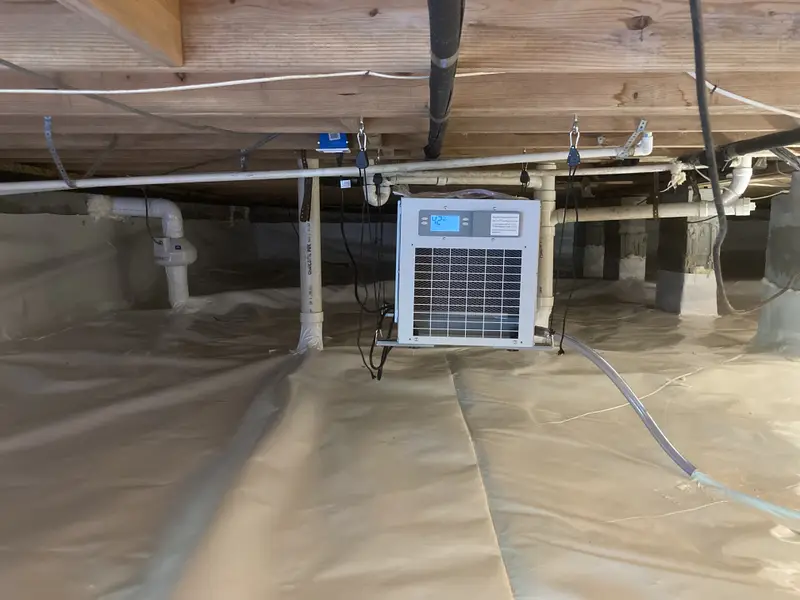
Crawl space humidity is the most common and most consequential moisture problem beneath Middle Tennessee homes. The crawl space is particularly vulnerable because it sits directly over bare soil, a continuous source of moisture vapor, and typically receives unconditioned outside air through foundation vents. During Middle Tennessee's hot, humid summers, outside air entering the vents carries substantial moisture that condenses on cooler crawl space surfaces: floor joists, subfloor sheathing, insulation, and HVAC equipment. Combined with vapor rising from the soil floor, crawl space relative humidity can reach 80, 90, or even 100 percent for extended periods. At those levels, wood structural members absorb moisture until they reach the moisture content required for mold spore germination and wood-decay fungus growth. Elevated crawl space humidity also raises indoor humidity throughout the home, increases HVAC load, and creates conditions that attract wood-destroying insects. Professional encapsulation, sealing the crawl space from soil and outside air and installing a dehumidifier, is the proven solution for bringing crawl space humidity under control permanently.
A musty smell that lingers in first-floor rooms, intensifies after rain, and doesn't respond to air fresheners is almost always crawl space air migrating into your living space. Through the stack effect, warm air rising and drawing crawl space air upward, an unencapsulated crawl space continuously delivers mold spores, mildew, and humid air into the rooms above it.
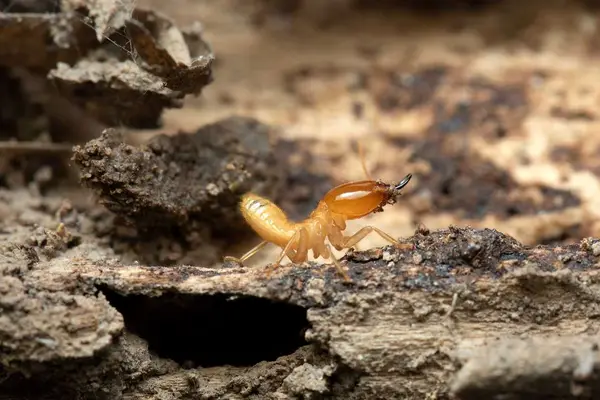
Crawl spaces without vapor barriers and sealing are ideal environments for pests. Bare soil stays moist, wood framing exposed to humidity softens over time, and open foundation vents and penetrations provide easy access. Termites, wood-boring beetles, rodents, and moisture-loving insects all find unencapsulated Middle Tennessee crawl spaces hospitable.
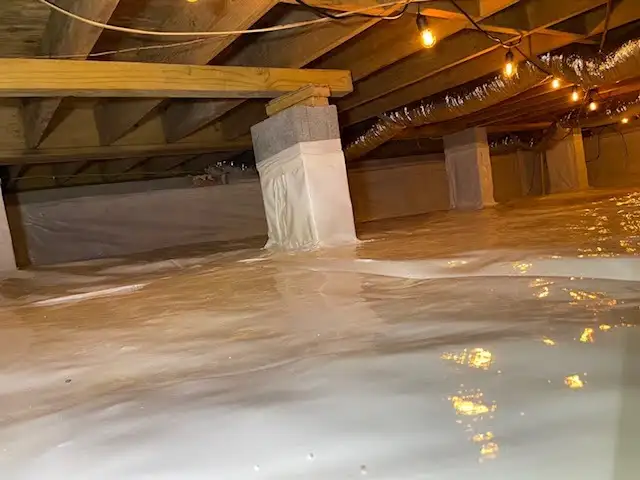
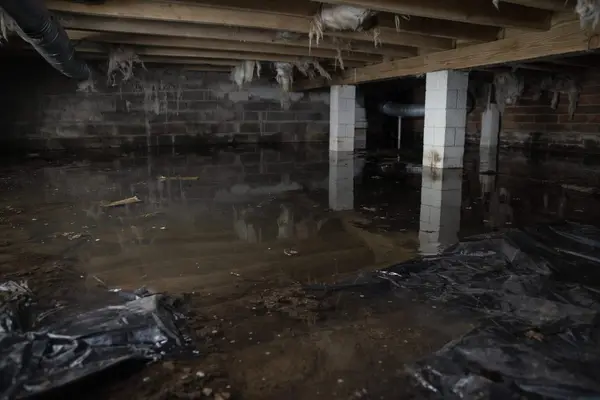
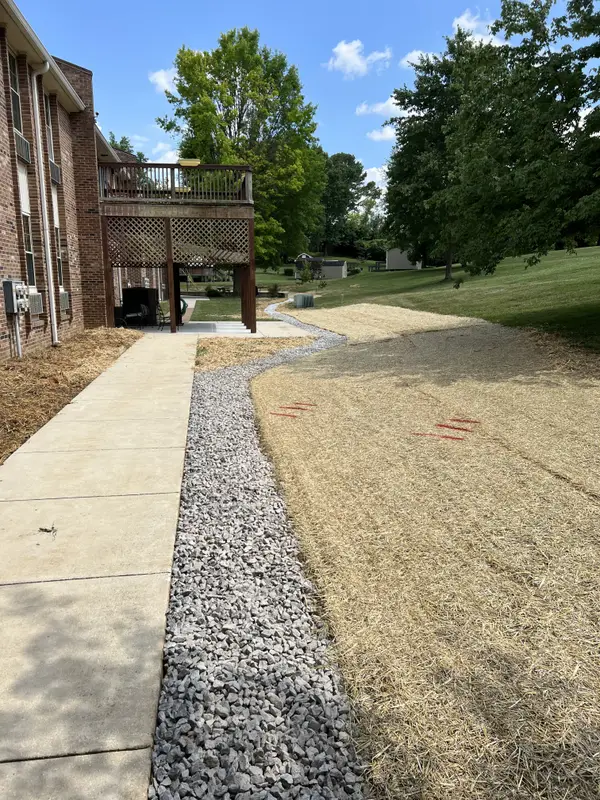
Standing or pooling water in a crawl space is one of the most destructive conditions a Middle Tennessee homeowner can face. Unlike elevated humidity, which works slowly, pooled water creates immediate and severe damage conditions. Wood framing in contact with standing water reaches critical moisture levels within hours. Mold can begin colonizing wet surfaces within 24 to 72 hours of a water event. Insulation that contacts standing water becomes saturated and effectively loses all thermal value. Metal support hardware begins to corrode. And the enclosed crawl space environment provides almost no opportunity for natural evaporation, meaning water that enters tends to stay until it is actively removed. In Middle Tennessee, standing water in crawl spaces most commonly appears after significant rain events, when storm drainage is overwhelmed, when downspout discharge saturates soil near the foundation, or when seasonal high water table elevations reach the crawl space floor level. After the acute event, the lingering elevated moisture creates conditions that encapsulation alone cannot resolve, active drainage is required to prevent recurrence.
Indoor relative humidity above 55% is uncomfortable and damaging, it promotes mold growth on walls and ceilings, warps wood floors and trim, damages electronics, and creates conditions favorable to dust mites and other allergens. Many Middle Tennessee homeowners run whole-house or portable dehumidifiers but still can't get ahead of humidity because ground moisture is entering freely from the crawl space below.
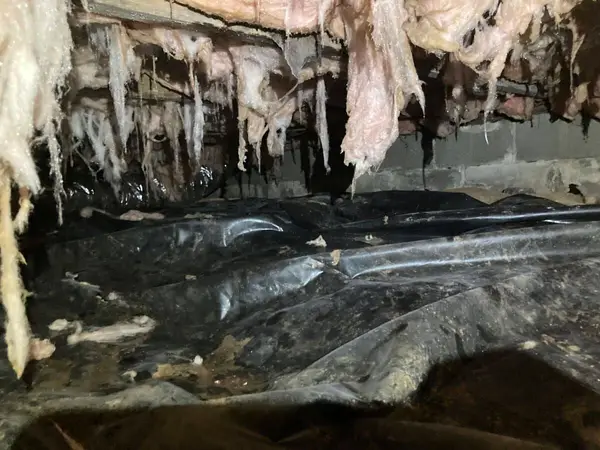
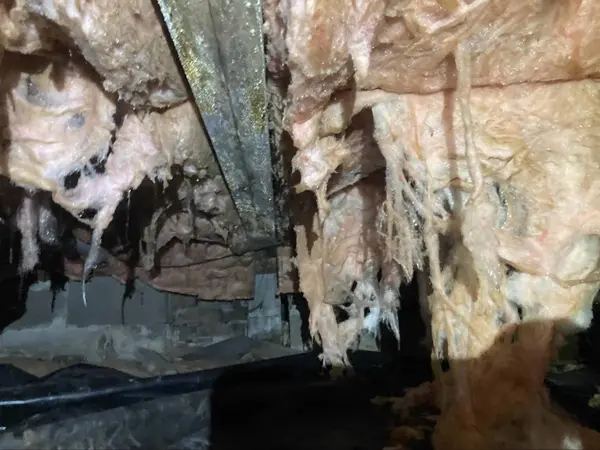
An unencapsulated crawl space is an energy efficiency problem. Wet or fallen insulation provides little thermal resistance. High crawl space humidity makes your HVAC system work harder to dehumidify air. In summer, the humid crawl space acts as a warm, wet foundation beneath your conditioned living area, and the HVAC works continuously against it.
Mold and mildew require three things to establish and grow: a food source, the right temperature, and moisture. In an unencapsulated Middle Tennessee crawl space, all three are consistently present. Wood framing, insulation, and soil organic matter provide food. Ground temperatures between 55 and 70°F year-round are ideal for most mold species. And without moisture control, relative humidity routinely exceeds the 60 percent threshold at which mold can colonize. Once established, mold colonies spread across floor joists, subfloor sheathing, rim joists, and insulation. The visible growth ranges from white powdery patches of early-stage mildew to black or green surface colonies of more mature growth. But the real problem is what you cannot see: mold produces mycotoxins and spores that become airborne and migrate upward through subfloor gaps, plumbing penetrations, and HVAC systems. Occupants in the living area above inhale those contaminants continuously. Health effects include allergy-like symptoms, respiratory irritation, headaches, and worsened asthma. For immunocompromised individuals or children, the health implications are more serious. Crawl space mold is not a cosmetic issue, it is a health and structural issue that requires both remediation and permanent moisture control to prevent recurrence.
Floor joists, band joists, and subfloor sheathing that show black, gray, or white surface mold are telling you the crawl space has maintained conditions above 60% relative humidity for an extended period. Mold on structural wood is not just an air quality concern, it accelerates wood rot and weakens the framing that supports your floor system.
Subfloor sheathing, the structural panel layer between your floor joists and finish flooring, can absorb moisture from a humid crawl space over months and years. As OSB or plywood sheathing absorbs and loses moisture repeatedly, it begins to delaminate, swell, and lose its structural strength. The result is a floor that feels soft, springy, or slightly flexible underfoot rather than solid.
Learn more
Why Ground Up
The difference is in the diagnosis
Get several quotes and you'll see a wide range of prices. The gap isn't luck. It's whether the contractor finds the actual cause and stands behind the work.
01In-house certified crews: we never subcontract your repair
02Optional independent third-party engineer review on larger jobs
03Honest three-tier triage: we tell you what can wait, in writing
04Family owned from the same Shelbyville Highway address since 2009
15+
Years in Middle TN
Family owned since 2009
35+
Years combined experience
On every crew we send
Lifetime
Transferable warranty
On piered sections
$0
For your inspection
No pressure, written quote
Our Process
Take the first step toward a stable home
01
Schedule your inspection
A local specialist visits, evaluates the foundation, and answers your questions on site, no cost, no obligation.
02
Get a clear written estimate
We sort every finding into urgent, planned, or monitor and send a scope tailored to your home, usually within one business day.
03
Get lasting repairs
Our certified crews complete the work on schedule and back it with a lifetime transferable warranty on piered sections.