Understanding Foundation Types and Their Pros and Cons
Compare basement, crawl space, slab, and pier-and-beam foundations to find which performs best in Murfreesboro's clay-heavy soils.
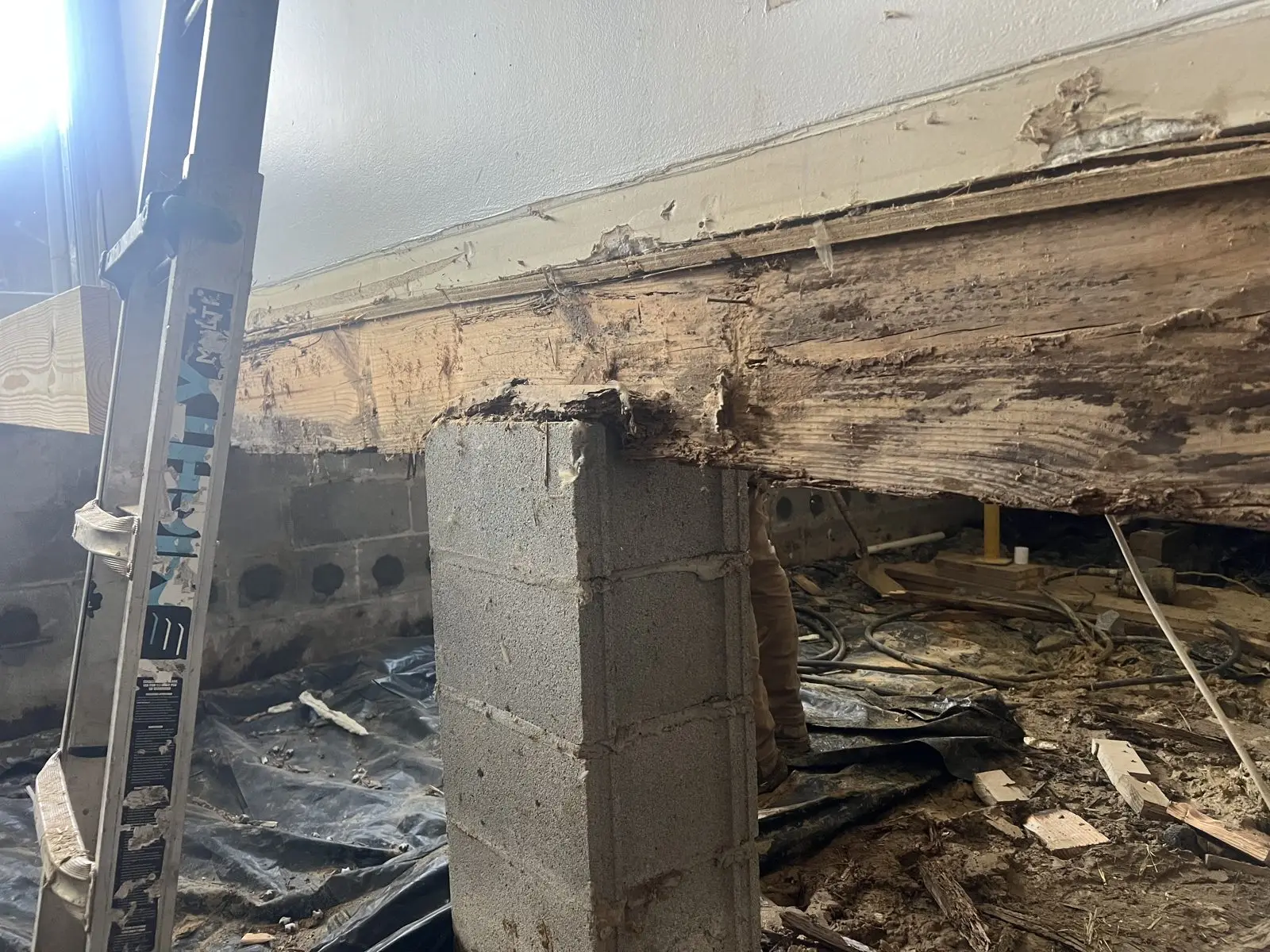
Selecting the right foundation type is one of the most consequential decisions in home construction. In Murfreesboro, TN, where clay soil expands seasonally and the region experiences both heavy spring rains and dry summers, the wrong foundation choice compounds into expensive repair work. Here’s what every Middle Tennessee homeowner needs to know.
Common Foundation Types
1. Basement Foundations
Basements are excavated below grade and enclosed with poured concrete walls and a concrete floor. They’re common in older Nashville-area homes.
Pros: Extra living space, natural temperature regulation, higher resale value.
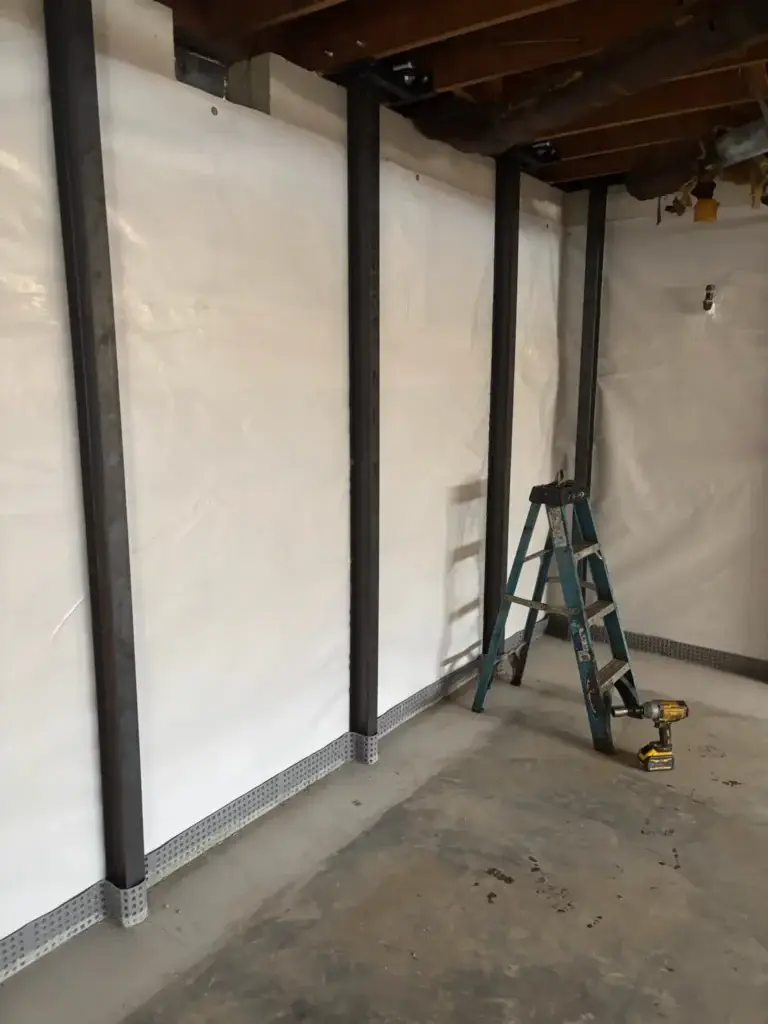
Cons: Susceptible to water intrusion from hydrostatic pressure, the force wet soil places against basement walls (a constant concern in Davidson and Rutherford counties), higher construction cost, ongoing waterproofing maintenance.
2. Crawl Space Foundations
Crawl spaces elevate the home 18–36 inches above grade, leaving an accessible gap beneath the floor system. This is the most common foundation type in Middle Tennessee.
Pros: Easy access to plumbing, HVAC, and electrical; lower cost than a full basement; can be encapsulated for moisture control.
Cons: Unencapsulated crawl spaces trap humidity, in Middle Tennessee’s humid subtropical climate, this leads to mold on joists, wood rot, and elevated indoor humidity. Encapsulation solves this but adds cost.
3. Slab Foundations
A concrete slab poured directly on grade is common in newer Middle Tennessee subdivisions because of lower initial cost and faster construction.
Pros: Fewer materials and less labor, quick to build, low pest risk.
Cons: No buffer against soil movement beneath the slab. Tennessee’s clay causes slab cracking and settlement. Plumbing buried beneath the slab is expensive to access and repair.
4. Pier and Beam Foundations
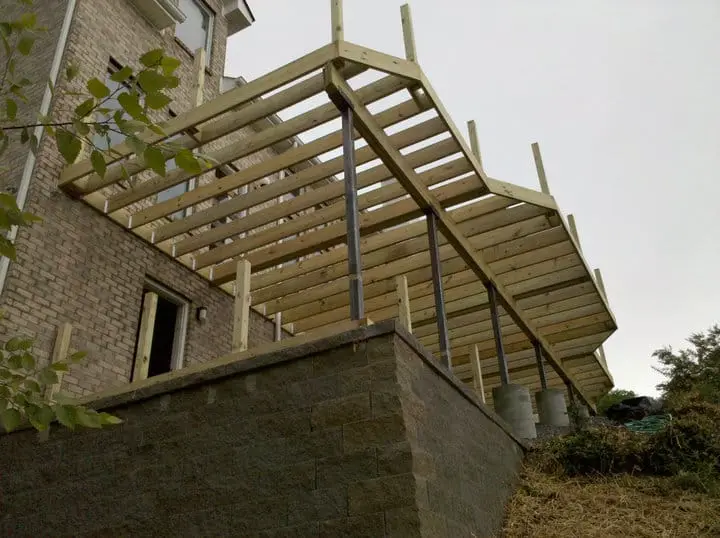
Concrete piers or wooden posts support horizontal beams, which in turn carry the floor system above grade.
Pros: Excellent in flood-prone areas, allows good airflow beneath the home, easier mechanical access than a slab.
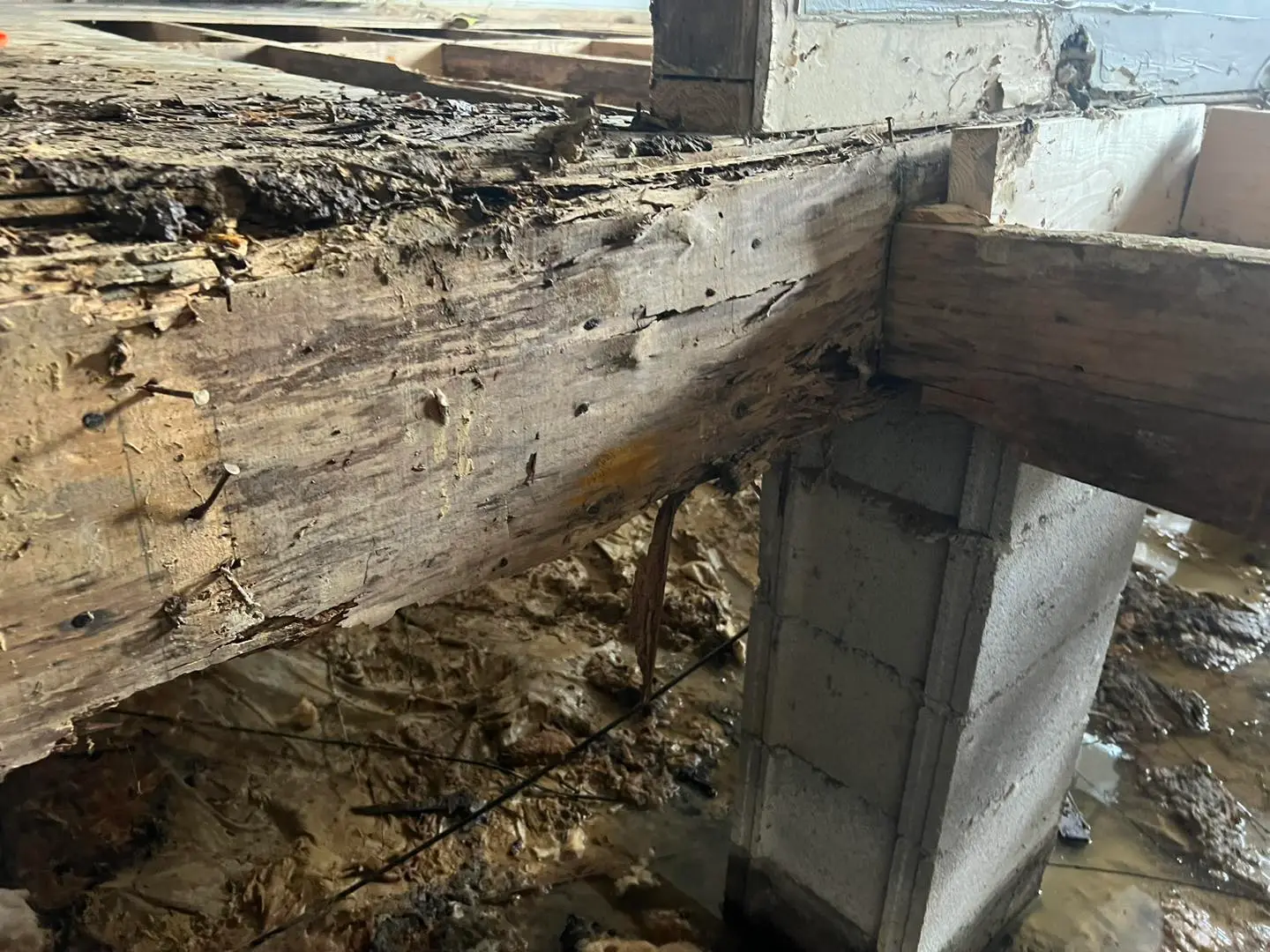
Cons: Requires periodic inspection and maintenance of the piers and beams; susceptible to moisture problems in the crawl space beneath; can shift as clay soil moves.
5. Post-Tension Slab Foundations
Steel cables tensioned after the concrete is poured help the slab resist cracking under soil movement.
Pros: Resists cracking better than a standard slab, adapts better to expansive soils, faster construction.
Cons: More expensive than standard slabs, specialized installation required, any plumbing or repair under the slab is complex due to the tensioned cables.
How to Choose the Right Foundation
Soil first. Get a soil test before building. Clay-heavy soils demand a foundation system that accommodates expansion, pier and beam or post-tension slabs typically outperform standard slabs in Rutherford and Williamson counties.
Factor in climate. Murfreesboro’s humid subtropical climate means sustained crawl space humidity and spring flooding pressure on basement walls. If you have a basement, waterproofing is not optional. If you have a crawl space, encapsulation is the modern standard.
Plan for access. Slab foundations look simple on paper but become expensive the first time a plumber needs to access a buried pipe. Crawl spaces and basements add initial cost but reduce long-term maintenance friction.
Common Foundation Problems and Solutions
| Problem | Likely Cause | Best Solution |
|---|---|---|
| Stair-step cracks in brick | Differential settlement | Helical or push piers |
| Bowing basement walls | Hydrostatic soil pressure | Wall anchors or carbon fiber straps |
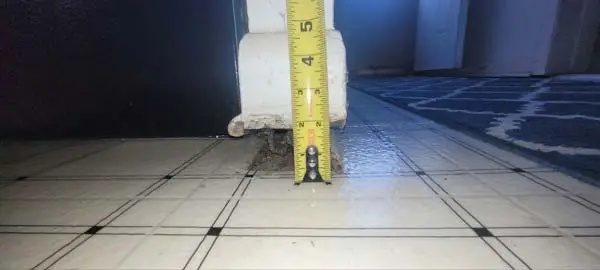
| Uneven floors | Pier or joist settlement | Pier repair, sister joists |
| Water intrusion | Saturated soil, inadequate drainage | Interior drainage + sump pump |
| Slab cracking | Clay expansion beneath slab | Polyurethane foam lift + crack repair |
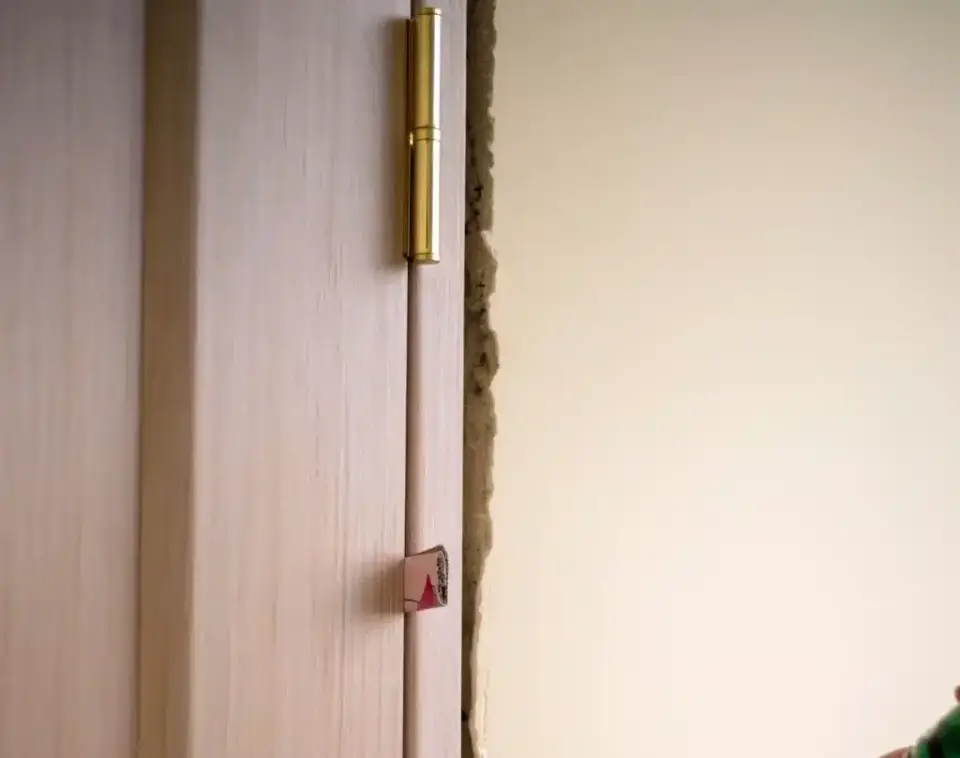
If your home is showing signs of foundation distress (cracks, sticking doors, sloping floors), the first step is a professional inspection. Ground Up Foundation Repair provides free evaluations for Middle Tennessee homeowners, with no-pressure written estimates.