
Raised Concrete Edges Are a Liability Risk, Fix Them Today
Same-day lifting and leveling eliminates trip hazards without tearing out your concrete.
Not sure which fix applies to your situation? Browse our full range of solutions for concrete repair.
[ 01 ] Watch For These Signs
When Your Concrete Offset Has Become a Serious Hazard
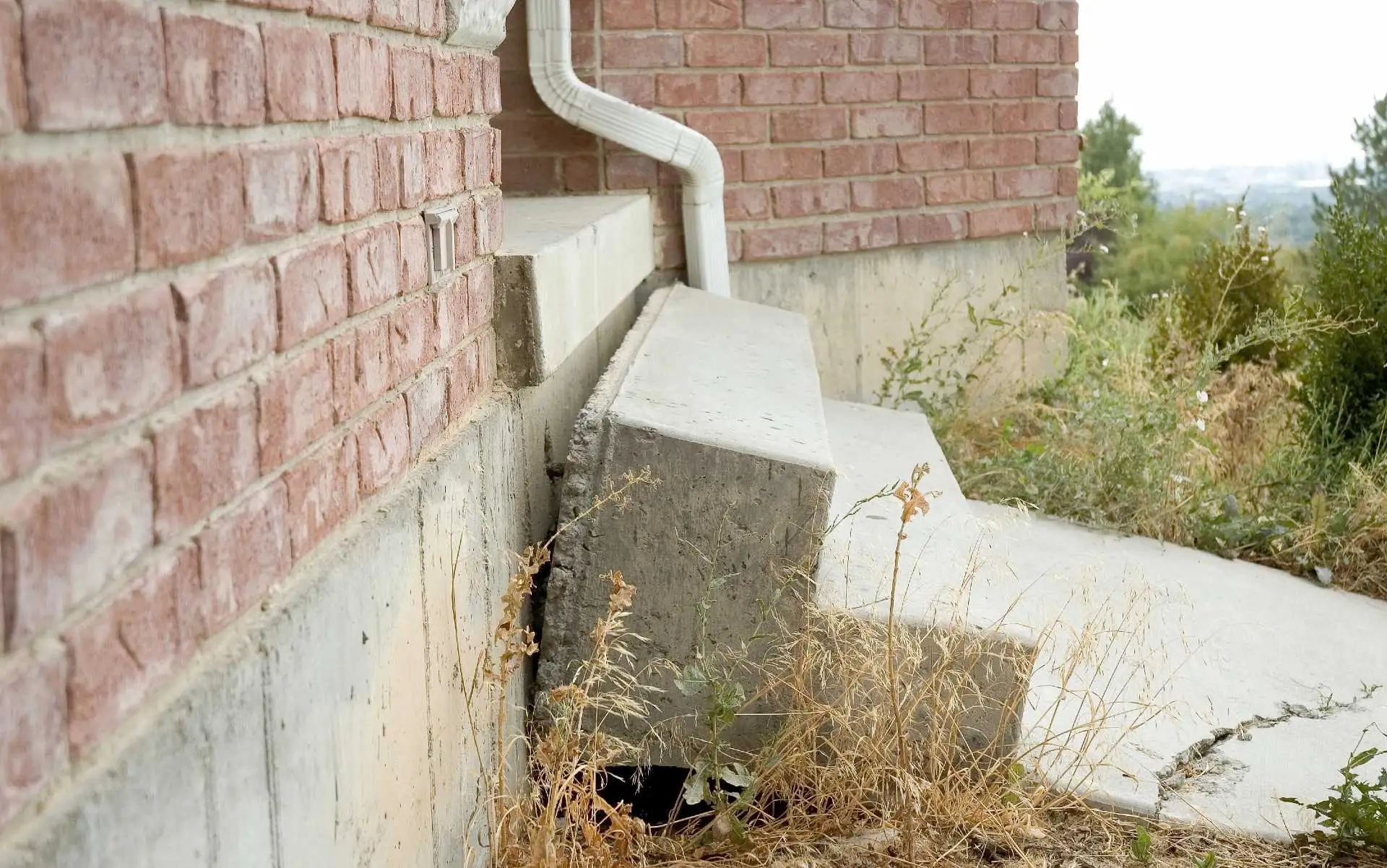
Any Edge Taller Than Half an Inch
A half-inch lip at a concrete joint is widely recognized as a trip hazard threshold. Edges this size or taller should be corrected, especially on public-facing walkways and driveways used by elderly family members or guests.
Visible Slope Toward the House
A panel that has sunk lower than its neighbor may also be sloping toward the home, directing water toward the foundation. This compound problem, trip hazard plus drainage risk, should be addressed promptly.
Crumbling or Chipped Edges at the Joint
When the raised edge is also chipped or crumbling, the hazard is even more pronounced. Spalled edges are harder to see, harder to step around, and continue to deteriorate with each rain and freeze cycle.
A Prior Fall Incident
If someone has already tripped at the location, the liability exposure is serious. Document the hazard and have it corrected immediately to reduce risk of further incidents.
When two adjacent slabs settle at different rates, because the soil beneath each has different moisture exposure, compaction, or root activity, one panel drops while the other remains elevated, creating a raised edge at their joint.
Tree roots growing beneath sidewalk panels push one panel upward while the adjacent panel stays flat. The result is a pronounced raised edge that grows worse as the root continues to develop. This is a frequent problem near mature trees in older Nashville neighborhoods.
Surface water channeled along a joint can erode soil beneath one slab faster than the other. The undermined slab sinks while its neighbor stays put, producing an offset lip at the joint.
Middle Tennessee winters periodically produce hard freezes. Moisture trapped in the soil beneath a slab expands when it freezes, lifting that panel upward. When the ground thaws, the panel may not settle back to its original position, leaving a permanent offset.
[ 03 ] Recommended Solutions
How Ground Up fixes this
[ 04 ] Regional Context
Why Middle Tennessee foundations fail
Middle Tennessee's expansive clay soils shrink in dry summers and swell after rain, cycling significantly in volume. Davidson, Williamson, and Rutherford County homes built on this clay face ongoing movement pressure. Ground Up diagnoses and permanently stabilizes foundations across the region.
A half-inch lip doesn't sound like much until someone hits it at the wrong angle. We fix trip hazards in a single morning, no concrete replacement, no days of waiting.
[ 05 ] Why Ground Up
The difference is in the diagnosis
Get several quotes and you'll see a wide range of prices. The gap isn't luck. It's whether the contractor finds the actual cause and stands behind the work.
- In-house certified crews: we never subcontract your repair
- Optional independent third-party engineer review on larger jobs
- Honest three-tier triage: we tell you what can wait, in writing
- Family owned from the same Shelbyville Highway address since 2009
[ 06 ] FAQ
Concrete Trip Hazards questions
Grinding (sometimes called concrete shaving) removes the raised edge but does not fix the underlying settlement. The slab that has sunk will likely continue to sink, and within a season or two the offset may return. Lifting the lower slab back to level with polyurethane foam eliminates both the hazard and its cause, making it a more durable solution.
Yes. Polyurethane foam is injected through small holes drilled specifically into the panel that has sunk. We raise that single panel to match the adjacent slab, leaving surrounding concrete untouched. The targeted nature of foam lifting makes it ideal for correcting isolated trip hazards.
Property owners in Tennessee can be held liable for injuries caused by known, unaddressed hazards on their property. A concrete trip hazard you are aware of and have not corrected is exactly the kind of condition that generates premises liability claims. Correcting the hazard is the most effective way to eliminate that exposure.
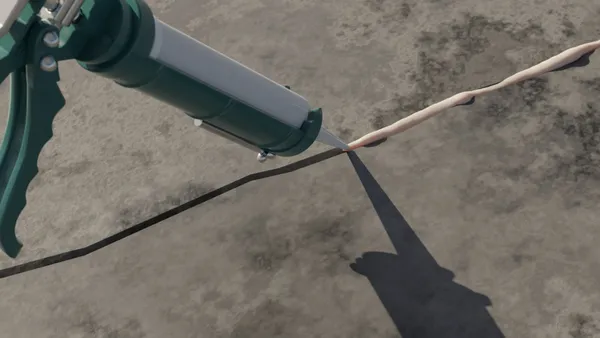
In most cases, we can schedule a trip hazard evaluation within a few days and complete the lifting and joint sealing in a single visit of two to four hours. The foam cures in 15 minutes and the surface is usable the same day, there's no concrete cure time to wait on.
If a root is actively pushing a slab upward, the root issue needs to be addressed first, either by removing the tree, cutting the root (with an arborist's guidance to avoid killing the tree), or installing a root barrier. Once the root pressure is removed, we can lift and re-level the slab. Simply lifting without addressing an active root will result in the slab heaving again.

Free guide
Get the free sinking concrete guide
- Why driveways and patios sink
- A checklist for your slabs
- How foam leveling lifts concrete in hours
Your guide is on its way.
Check your inbox for an email from Ground Up Foundation Repair. If it is not there in a few minutes, check your spam or promotions folder.
More Problem Signs
Other signs to watch for
Cracked Concrete Driveways and Patios
Concrete cracks are one of the most common exterior problems homeowners in Middle Tennessee encounter. A freshly poured slab looks pristine, but within a few years the combination of expansive red clay soil, heavy rainfall, freeze-thaw cycles, and vehicle loads almost inevitably produces cracks of some kind. Not all cracks are equal: hairline surface cracks are often cosmetic, while wide, growing, or offset cracks signal deeper structural movement. Understanding what type of crack you have determines whether sealing alone will solve the problem or whether the slab also needs to be lifted and stabilized before sealing.
Cracking or Failed Expansion Joints
Expansion joints, the planned gaps between concrete slab sections, are designed to allow the concrete to move with temperature and moisture changes without cracking. When the flexible sealant in these joints fails, cracks form, or the joint edges chip and deteriorate, the joints become open pathways for water to enter directly beneath the concrete. In Middle Tennessee, where annual rainfall averages 47 inches and temperature swings drive significant concrete movement, joint maintenance is critical to long-term concrete performance. Failed expansion joints are not just a cosmetic problem, they are the single most common entry point for the water erosion that leads to slab settlement.
Gaps Between Concrete Slabs
Gaps that open between adjacent concrete slabs, at driveways, sidewalks, patios, and pool decks, are an early indicator of slab movement and a direct water infiltration pathway. Unlike expansion joints, which are designed gaps filled with flexible material, unplanned gaps form when one or both slabs move horizontally or settle vertically. These gaps allow water to flow directly beneath the concrete, eroding the sub-base and creating voids that eventually cause the slab to sink and crack further. In Middle Tennessee, where seasonal clay soil movement is significant, gaps that appear small in spring may widen substantially by fall as the soil contracts beneath the slabs.
Patio Settlement and Sinking
Patio settlement occurs when the concrete slab or slabs forming an outdoor living area sink unevenly into the soil below, producing a surface that is no longer level and no longer drains properly. In Middle Tennessee, patios are particularly vulnerable because they are typically installed on or near grade, often with less sub-base preparation than driveways, and may receive concentrated water runoff from roof downspouts, drainage swales, and garden beds. The region's red clay soils compound the problem: they hold water, swell during wet seasons, and then contract significantly during dry summers, destabilizing the soil support beneath the patio slab. What starts as a slight tilt or a new crack often progresses to a noticeable bowl or step pattern if left unaddressed.
Concrete Pitting, Flaking, and Staining
Pitting, flaking, spalling, and staining are concrete surface deterioration issues that range from cosmetic to moderately structural depending on severity and depth. In Middle Tennessee, these problems are most commonly caused by freeze-thaw cycling, chemical exposure from de-icing salts, oil and fluid contamination from vehicles, and the natural aging of concrete surfaces. While surface deterioration rarely affects the structural load-bearing capacity of a slab in its early stages, untreated deterioration accelerates: pitting and spalling expose the concrete aggregate and reinforcing steel to moisture, increasing the rate of damage and eventually compromising the slab's surface integrity. Addressing surface deterioration early with appropriate sealing or resurfacing is far less costly than full slab replacement.
Settling or Sinking Pool Deck
Pool deck settling is one of the more dangerous forms of concrete settlement because the surfaces are frequently used barefoot and the risk of tripping near water is significant. A pool deck that has dropped, even by a single inch, creates uneven surfaces, trip hazards at the pool edge, and gaps that accelerate drainage problems. In Middle Tennessee, pool decks are especially vulnerable to settlement because they are poured directly on disturbed fill soil around a newly excavated pool shell. That fill never reaches the compaction density of undisturbed native soil, so it continues to consolidate under load for years. The region's alternating wet winters and dry summers further accelerate this process through repeated clay soil expansion and contraction cycles.
Seeing these signs in your home?
We'll find the cause and tell you honestly what it needs, free.